
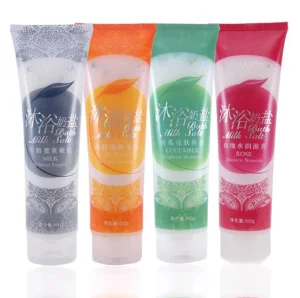
Aromatherapeutic Spa Tier
Pre-engineered, dermatologically certified formulations customized to meet Öko-Test standards, EU Microplastic bans, and regional consumer sensory preferences.
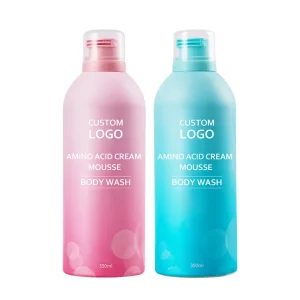
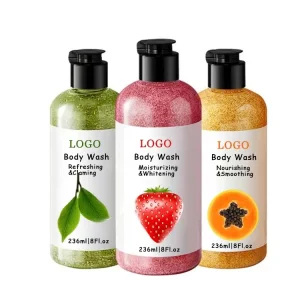
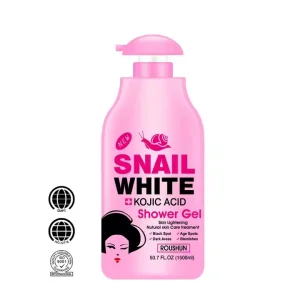
An authoritative analysis of technical benchmarks, consumer scrutiny, and supply chain strategies in Europe’s largest personal care economy.
The German personal hygiene market represents over €15 billion within the broader European Union beauty sector, with bath and shower products generating upwards of €850 million annually. Unlike markets driven predominantly by aspirational marketing, consumer conversion in the Federal Republic of Germany is dictated by analytical rigor. The German consumer actively audits the International Nomenclature of Cosmetic Ingredients (INCI), heavily penalizing products containing sulfates (SLS/SLES), microplastics, synthetic polycyclic musks, and endocrine-disrupting parabens.
Distribution channels are dominated by established drugstore chains such as dm-drogerie markt, Rossmann, and Müller, alongside traditional Apotheken (pharmacies) and specialized organic reform houses (Reformhaus). Within these ecosystems, private label products are no longer perceived as economy alternatives; rather, store brands (such as Balea or Isana) operate at parity with national premium brands, necessitating world-class OEM contract manufacturing that matches clinical purity with competitive economies of scale.
Formulations destined for German consumers must respect the epidermal acid mantle. Standard body washes formulated at basic or even neutral pH 7.0 disrupt cutaneous microflora, causing trans-epidermal water loss (TEWL) and barrier destabilization. Our dedicated formulations for the German market maintain an exacting buffering capacity at precisely pH 5.2 – 5.5, leveraging physiological lactic acid and biomimetic amino acids to protect commensal bacteria (Staphylococcus epidermidis) while preventing the colonization of opportunistic pathogens.
Addressing feedstock fluctuations, raw material provenance, and logistical resiliency through end-to-end contract manufacturing infrastructure.
Eliminating petrochemical alkoxylates and ethoxylated compounds (SLES) prone to 1,4-dioxane contamination. We utilize ultra-gentle, renewable alkyl polyglucosides (Coco-Glucoside, Lauryl Glucoside) coupled with sodium cocoyl isethionate and taurates, providing superior foam stabilization even in hard tap water prevalent in central Germany.
Full compliance with the German Packaging Act (VerpackG) and registration under the LUCID register via Dual System partners. We engineer custom bottles using post-consumer recycled (PCR) PET/HDPE at 30% to 100% ratios, and monomaterial polyolefin refill pouches (PE/PE laminate) designed for seamless recycling stream integration.
Assisting European brand partners with Corporate Sustainability Due Diligence Directive (CSDDD) adherence. Our manufacturing facilities leverage cold-process emulsification and automated closed-loop CIP (Clean-in-Place) sanitation protocols, slashing process heat energy expenditure and freshwater consumption by up to 42%.
A granular side-by-side technical evaluation illustrating chemical stability, rheology, safety margins, and ecological certifications.
| Performance Vector | Legacy Mass Market (Conventional) | Our German-Targeted ODM Standard | Compliance & Strategic Benefit |
|---|---|---|---|
| Primary Surfactant | Sodium Lauryl Ether Sulfate (SLES) | Sodium Methyl Cocoyl Taurate + Coco-Glucoside | Zero 1,4-Dioxane risk, passes strict BDIH & COSMOS parameters. |
| Physiological pH | pH 6.5 – 7.2 (Depletes stratum corneum) | pH 5.2 – 5.5 ± 0.1 (Strict physiological buffer) | Sustains skin barrier function, mitigates contact dermatitis liability. |
| Rheology Modifiers | Acrylates/C10-30 Alkyl Acrylate Crosspolymer | Fermentation-derived Sclerotium Gum & Cellulose | 100% compliant with EU synthetic microplastic restrictions (2023/2055). |
| Preservation System | DMDM Hydantoin, Methylisothiazolinone (MIT) | Sodium Levulinate, Glyceryl Caprylate, p-Anisic Acid | Avoids formaldehyde-releasing sensitizers; achieves Öko-Test "Sehr Gut". |
| Viscosity Stability | High NaCl titration (Vulnerable to freeze-thaw) | Bio-polymeric network (Stable from -10°C to +45°C) | Withstands seasonal transatlantic and trans-Eurasian bulk freight transit. |
| Fragrance Vector | Synthetic musks with DEP & phthalates | IFRA 51st Amendment compliant, allergen-reduced/free | Prevents mandatory 26-allergen consumer warning label clutter on retail boxes. |
Transitioning from energy-intensive batch heating to ambient-temperature high-shear homogenization, preserving heat-labile botanical polyphenols and reducing cumulative product carbon footprints (PCF).
Incorporating circular by-products from the European agricultural chain, such as upcycled apple pomace, Nordic oat lipid fractions, and German hop extract to elevate skin barrier conditioning without additional resource exploitation.
Development of anhydrous wash concentrates and dissolvable bulk pastilles to assist retailers in eliminating cross-border water transportation, drastically reducing logistics freight tonnage and carton packaging overhead.
A rigorous regulatory compliance conduit shielding brand owners from customs impoundment, regulatory fines, and retail delisting.
Placing personal care products into the German market requires uncompromised conformity with European cosmetics law. Guangzhou Beaza Biotechnology Co., Ltd. operates with end-to-end technical documentation workflows directly supporting your Responsible Person (RP) residing within the European Community.
Every customized formulation is delivered with an exhaustive Product Information File (PIF). This encompasses Part A and Part B of the Cosmetic Product Safety Report (CPSR), evaluated and signed off by board-certified Eurofins or equivalent accredited toxicologists. Part A rigorously details quantitative and qualitative composition, physical/chemical stability profiles, microbiological specifications (ISO 17516), preservation challenge testing (ISO 11930), and raw material toxicological profiles (Margin of Safety - MoS calculations).
Furthermore, our technical documentation streamlines submission to the Cosmetic Products Notification Portal (CPNP), ensuring smooth customs clearance through Hamburg, Rotterdam, or Frankfurt CargoCity.
Direct-from-manufacturer pricing, low trial MOQs, laboratory sample dispatch within 5 working days, and end-to-end EU regulatory Dossier support. Experience reliable supply chain continuity.
Send Inquiry NowEssential guidance covering Minimum Order Quantities, regulatory dossiers, freight timelines, and formulation customizations.
Our research and development division explicitly eliminates substances blacklisted by independent German consumer testing bodies. We completely avoid ethoxylated surfactants (SLES/PEG), sodium lauryl sulfate, synthetic polymers (acrylates), silicone oils, phthalates, halogenated preservatives, and potential endocrine disruptors. Instead, we formulate using plant-based alkyl polyglucosides, taurates, and amino acid condensates preserved with food-grade organic acid systems (potassium sorbate, sodium benzoate, or glyceryl caprylate) that regularly achieve "Gut" and "Sehr Gut" ratings in consumer product tests.
We supply a turnkey regulatory package ready for your Responsible Person (RP). This includes full quantitative formula disclosure, Certificate of Analysis (COA) per batch, Safety Data Sheet (SDS) prepared according to REACH Regulation (EC) 1907/2006, 12-week accelerated stability data, challenge testing reports (ISO 11930), heavy metal assays (Lead, Arsenic, Mercury, Cadmium), microbiological purity reports (ISO 17516), and IFRA 51st conformity declarations for fragrance blends. We also directly interface with your appointed European toxicologists conducting the Cosmetic Product Safety Report (CPSR Part A & B).
For stock library formulations packaged in standard in-house bottles, our entry-level private label MOQ begins as low as 1,000 to 3,000 units per SKU—ideal for testing niche brands or targeted Amazon.de / direct-to-consumer store launches. For bespoke ODM projects featuring proprietary active complexes, tailored viscosity, custom fragrances, and custom-molded tooling, MOQs typically range from 5,000 to 10,000 units. Bulk liquid shipments in standard 1,000 kg Intermediate Bulk Containers (IBC) or 200 kg drums are available for European contract filling facilities starting at 1 metric ton.
Maritime transport through equatorial shipping channels exposes cargo to prolonged high-heat and humidity environments, followed by freezing conditions during European winter unloading at Hamburg or Bremerhaven. All formulations undergo 5-cycle freeze-thaw testing (-10°C to +45°C), accelerated aging at 45°C / 75% relative humidity for 3 months, and mechanical centrifugal stress tests (3,000 RPM for 30 minutes). Furthermore, master shipping cartons are moisture-reinforced and shrink-wrapped with moisture-absorbing desiccant sachets to preserve structural integrity.
Yes. The pH 5.5 standard is extremely strong in Germany due to high consumer awareness surrounding skin barrier preservation (pioneered by classical clinical brands). We engineer buffered systems combining natural L-lactic acid and sodium lactate, ensuring the pH remains strictly anchored at 5.5 throughout the product's 36-month shelf life. We can also assist you in coordinating clinical skin patch tests (such as Dermatest 30-subject human repeat insult patch tests) to qualify the product for "Dermatologisch Getestet" labels.
Explore our full roster of verified ODM cosmetic formulations ready for OEM custom branding and European wholesale bulk distribution.
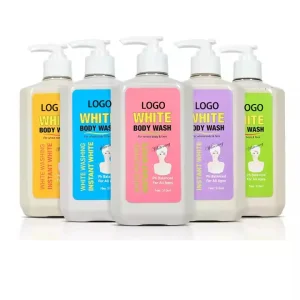
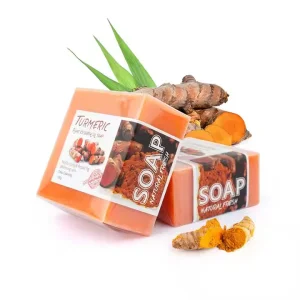
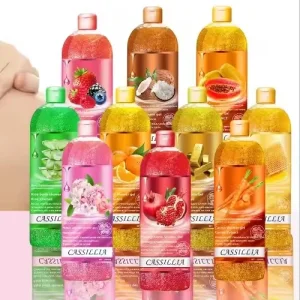

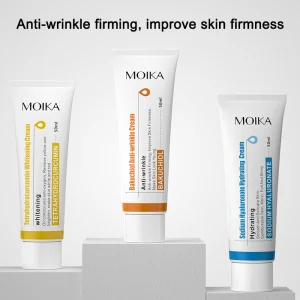
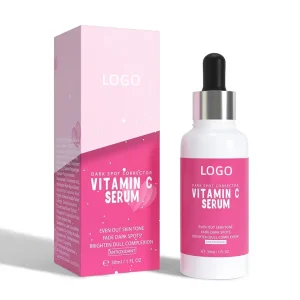
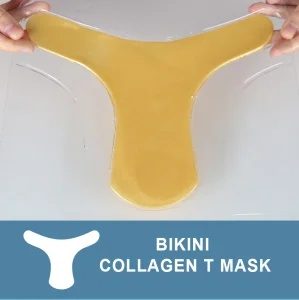
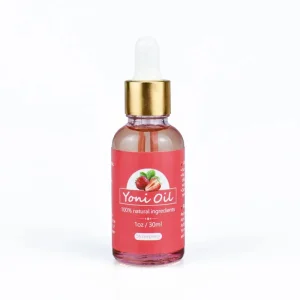
Operating two self-owned state-of-the-art facilities — Guangzhou Aoyan Cosmetics Co., Ltd. and Guangzhou Xinzimei Cosmetics Co., Ltd. Equipped with GMPC and ISO 22716 accredited cleanrooms, multi-ton vacuum emulsifiers, high-precision automated filling systems, and in-house microbiological inspection laboratories dedicated to supporting commercial clients across Germany, Austria, and Switzerland.