
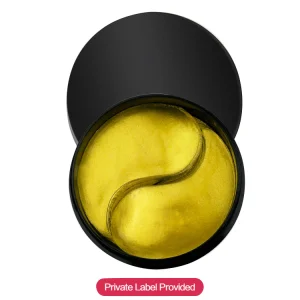
Precision-engineered hydrogel matrices stabilized for North African thermal fluctuations, infused with marine bio-collagen, 24K gold colloids, and regional restorative phytocomplexes.
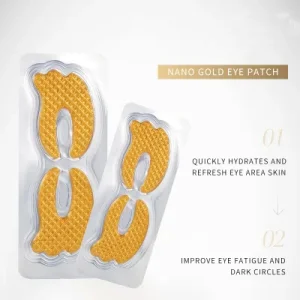
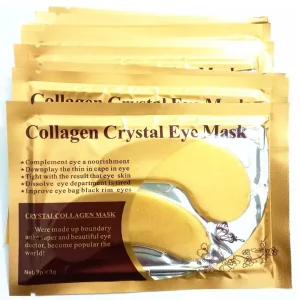
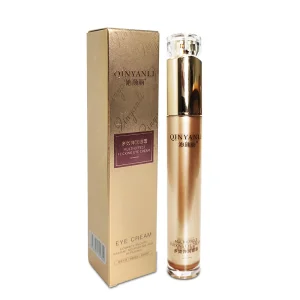
Unpacking the convergence of local traditional botanical heritage, rising disposable urban incomes, and strict regulatory standards under the Direction du Médicament et de la Pharmacie (DMP).
The Kingdom of Morocco represents one of the fastest-accelerating personal care ecosystems across North Africa. Historically recognized for rich native resources such as Argan oil (Argania spinosa) and Barbary fig seed oil (Opuntia ficus-indica), Morocco is experiencing a transformative structural transition: modern consumers are aggressively adopting targeted dermo-cosmetic interventions, with dedicated periorbital (eye zone) treatments leading consumer basket expansion.
Urbanization in Casablanca, Rabat, Tangier, and Marrakech has spawned a digitally connected demographic that prioritizes clinical skincare results. According to regional retail intelligence, consumer interest in targeted eye patch technologies—specifically soluble hydrogels, biocellulose membranes, and micro-point transdermal delivery formats—has surged by over 23.4% year-over-year. Despite robust domestic oil extraction networks, Morocco lacks comprehensive high-throughput, sterile-filling cleanroom operations capable of producing medical-grade soluble hydrogels at accessible economies of scale.
Domestic Moroccan manufacturing primarily specializes in conventional cold-process emulsions, soaps, and cold-pressed botanical extractions. High-precision hydrogel cross-linking, sterile micro-perforation, and soluble patch sealing remain predominantly dependent on specialized global contract manufacturing hubs.
Brand registration with the Moroccan Ministry of Health (Ministère de la Santé) via the DMP demands complete technical dossiers (Dossier Technique), encompassing absolute toxicological evaluations, challenge testing (ISO 11930), and continuous trace analysis, mirroring strict EU Regulation (EC) No 1223/2009 parameters.
Moroccan private label distributors are uniquely positioned: utilizing bilateral agreements, products formulated and registered in Casablanca serve as springboard launches into francophone West African markets (Senegal, Côte d’Ivoire) and broader Maghreb trade corridors.
Globally, the ocular patch sector is transitioning away from standard non-woven fabric carriers soaked in run-off serums toward "second-skin" thermo-reversible hydrogels. These polymeric networks—derived from Chondrus crispus (carrageenan) and locust bean gum—exhibit retrograde thermodynamic liquefaction upon skin contact, releasing encapsulated peptides, niacinamide, and low-molecular hyaluronic acid precisely into the fragile under-eye epidermis without dehydrating the barrier.
Discover how Guangzhou's specialized cosmetic production corridor achieves an unassailable blend of cost-efficiency, technical R&D compliance, and supply chain responsiveness.
For brand founders, dermatological clinic networks, and retail chain buyers in Morocco, sourcing contract manufacturing directly from China is no longer merely a cost-reduction strategy—it is an innovation imperative. The southern China industrial beauty clusters (specifically Huadu and Baiyun districts in Guangzhou) contain the highest density of cosmetic mechanical engineering, raw material synthesizers, and automated packaging manufacturers on the planet.
Our dual manufacturing facilities (Guangzhou Aoyan Cosmetics Co., Ltd. and Guangzhou Xinzimei Cosmetics Co., Ltd.) solve the classic hurdles faced by Moroccan importers: prohibitive minimum order quantities (MOQs), unstable hydrogel cross-linking that breaks down under Casablanca's humid coastal or Marrakech's arid interior heat, and bureaucratic certification bottlenecks.
Unlike manual patch production which risks contamination, our facilities utilize sterile, closed-chamber mechanical stamping machines that shape collagen and hydrogel matrices at speeds of over 12,000 units per hour, eliminating human contact and securing pristine microbiological stability.
Ocular products destined for North Africa require elevated melting point stabilization. Our R&D department modulates specific biopolymer viscosities so the hydrogel maintains mechanical integrity even when exposed to ambient container shipping temperatures exceeding 42°C.
Every consignment ships with complete Certificate of Analysis (COA), Safety Data Sheets (MSDS), Certificate of Free Sale (CFS), and quantified INCI dossiers verified for frictionless customs clearance at the Port of Casablanca (Tanger Med).
How private label brands are embedding hydrogel and peptide eye patches into Moroccan luxury wellness, professional aesthetics, and modern digital retail channels.
From prestigious royal retreats in Marrakech to five-star resorts in Agadir, the traditional Moroccan bathing ritual is evolving. Premium spa operators introduce our cold-compress 24K Gold and Seaweed Hydrogel eye pads during post-hammam relaxation sessions, delivering an ultra-luxe soothing experience that relieves heat-induced capillary dilation.
The "Parapharmacie" represents an exceptionally powerful retail channel in Moroccan cities. Dermatologists and aesthetic doctors recommend specialized sterile collagen and peptide eye patches for post-procedure micro-needling, chemical peel calming, or non-invasive peri-orbital rejuvenation therapies.
Driven by hyper-active beauty communities across Instagram and TikTok in Morocco, local beauty influencers and entrepreneurs are developing their own branded eye patch jars (60-piece configurations). These items carry remarkable viral visual appeal, high repurchase velocity, and optimal shipping dimensions for local logistics networks.
Procurement specifications are shifting rapidly. Here is how international brand buyers navigate ingredient efficacy, eco-standards, and turnkey manufacturing partnerships.
As the global personal care landscape accelerates toward sustainability, international buyers from Europe, North America, and the Middle East are standardizing new baseline criteria for contract manufacturing. Hydrogels can no longer rely on non-degradable microplastics or synthetic polymers. Today's standard requires 100% water-soluble biological polymers that dissolve completely in warm water (80°C), converting into an eco-conscious fluid essence that leaves no environmental residue.
Concurrently, ingredient fusion is dominating buyer specifications. Moroccan private label brands frequently request hybrid formulation profiles: combining cutting-edge Asian bio-fermented actives, stabilized Vitamin C derivatives, and acetyl hexapeptide-8 (Argireline) with classic North African botanical references like Argan extract, neroli water, or pomegranate seed polyphenols. This "Global-Local Synergy" enables regional brands to maintain authentic cultural storytelling while guaranteeing clinical dermatologist-grade outcomes.
Global brands serving North African and broader Islamic demographics demand rigorous Halal traceability: zero porcine-derived gelatins, absence of banned short-chain alcohol solvents, and complete separation during batch production. Our plant operations adhere directly to these ethical specifications.
Procurement leaders are transitioning from conventional plastic jars to post-consumer recycled (PCR) containers, biodegradable foil sachets, and Forest Stewardship Council (FSC) certified folding cartons printed with non-toxic soy inks to comply with emerging corporate ESG mandates.
Global freight lines necessitate rigorous freeze-thaw and accelerated thermal stability profiling (incubator testing at 45°C for 90 days), ensuring zero serum syneresis, discoloration, or microbial bloom throughout maritime transshipment.
Clear, definitive answers addressing regulatory compliance, shipping logistics, customization, and factory operations for Moroccan market importers.
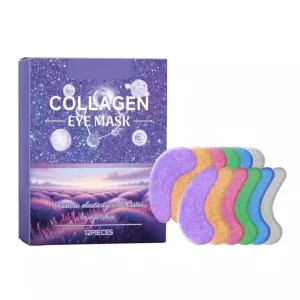
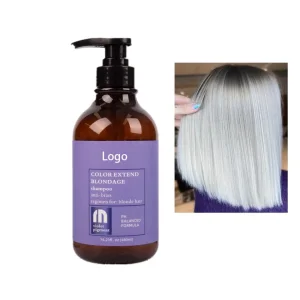
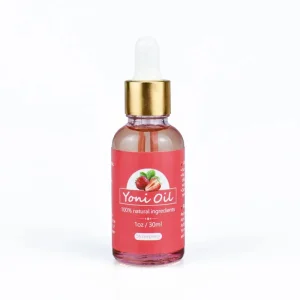
Select from our complete range of market-ready ocular treatments, intensive clinical solutions, and targeted personal care lines optimized for private label production.
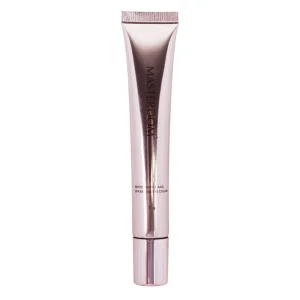
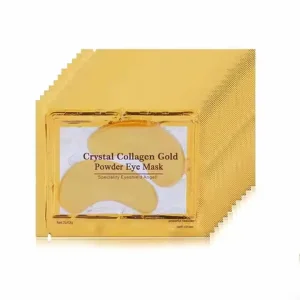
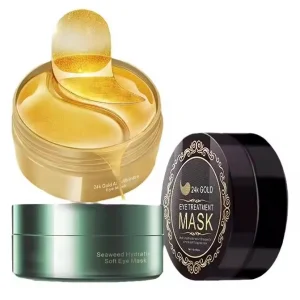
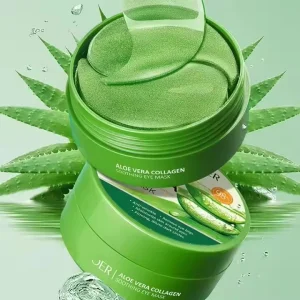
Connect directly with our Guangzhou formulation lab and international trade specialists. Obtain instant sample kits, formula dossiers, and customized quotation sheets.
Send Inquiry Now