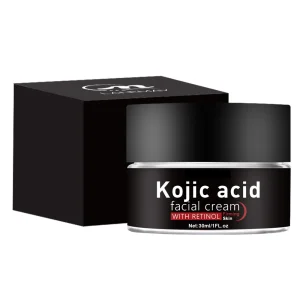
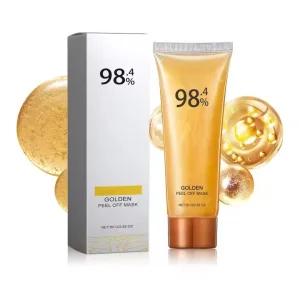
Pre-validated clinical formulations ready for private labeling, customized bio-actives, and high-speed North American distribution.
Navigating structural regulatory evolutions, clean beauty validation, and the transition from vanity claims to clinical-grade dermal pharmacology.
The United States face care ecosystem represents the most lucrative and discerning personal care market globally, valued at over $26 billion in direct skincare revenue. Over the past twenty-four months, the North American landscape has experienced an unprecedented seismic shift driven by the complete codification and enforcement of the Modernization of Cosmetics Regulation Act (MoCRA). Under MoCRA, the threshold for private label brands and contract manufacturers (OEM/ODM) has fundamentally changed. The era of loose batch documentation, opaque ingredient provenance, and non-substantiated clinical efficacy claims has ended.
Today, American beauty founders, omnichannel retail buyers (e.g., Sephora, Ulta Beauty, Target, Amazon Premium Beauty), and clinical spa groups require contract manufacturing partners capable of delivering verified electronic Master Batch Records (eMBR), comprehensive Toxicological Risk Assessments (TRA), and strict adverse event reporting pipelines. Furthermore, the rising costs of domestic manufacturing inputs—compounded by domestic cleanroom labor shortages, elevated specialized packaging logistics, and extended production backlogs—have compelled American brand executives to seek agile, high-precision international supply partners. These partners must operate with ISO 22716 and US FDA GMPC certifications while offering significant raw material volume advantages, turnkey scale, and dependable container-load bulk reliability.
On a global scale, cosmetics chemical engineering is experiencing a transition from commodity compounding to high-performance biotechnology. The world's leading functional active ingredients—including biomimetic peptides, synthetic biology-derived ceramides, fermented postbiotic filtrates, and photostable antioxidant complexes—are manufactured within highly concentrated industrial bio-clusters. Guangzhou, China, stands as the epicentre of this manufacturing evolution, housing the most advanced automated robotic homogenization vessels, multi-tier cleanrooms, and sophisticated chromatographic validation suites.
The modern China-to-US OEM/ODM pipeline operates as a collaborative supply continuum: formula innovation, primary material fermentation, high-shear emulsification, and secondary packaging are executed in scalable manufacturing hubs under strict compliance with Western regulatory paradigms. This hybrid framework empowers North American brand owners to achieve 40% to 65% cost optimizations on bulk formulation and custom packaging, while shortening product launch lead times from concept formulation to shelf stock delivery down to under 60 days.
FDA facility listings, product listings via Cosmetic Direct, safety substantiation dossiers, and mandatory U.S. responsible person traceability ready with every production batch.
Targeting the brain-skin axis, microbiome preservation, and lipid lamellar structure repair using bio-fermented lipids, adaptogens, and skin-identical ceramides.
Rigorous HPLC testing, micro-challenge assays (USP 51), heavy metal screening below 1 ppm, and 90-day accelerated freeze-thaw stability reporting for US customs clearance.
Engineering commercial formulations across demographic niches, harsh climate zones, and modern dermatological treatment workflows.
A homogeneous formulation strategy cannot conquer the multi-climatic American consumer base. Successful private label operators engineer specialized formula bases customized for regional environmental stressors and demographic usage patterns:
American retailers enforce stringent banned ingredient lists (e.g., Clean at Sephora, Target Clean, Credo Beauty Standard). Our R&D laboratories operate in alignment with the global benchmark: eliminating parabens, phthalates, synthetic musk, chemical UV filters (Oxybenzone/Octinoxate), formaldehydes, and silicones (D4/D5), replacing them with green polymer alternatives, plant-based hemisqualane, and eco-certified preservation booster systems.
| Target Functional Category | Proprietary Active Complex | Physical Texture Profile | Stability & Preservative System | Primary U.S. Retail Channel |
|---|---|---|---|---|
| Barrier Restoration & Lipid Repair | Ceramide NP/AP/EOP + Phytosphingosine + 2% Ectoin | Lamellar liquid crystal matrix; cushiony finish | Pentylene Glycol + Caprylyl Glycol + Hydroxyacetophenone | Dermatological Clinics, Clean Sephora |
| Advanced Photostable Brightening | 3% Kojic Dipalmitate + 5% Niacinamide + Alpha-Arbutin | Silky, fast-absorbing micro-emulsion | Liposomal micro-encapsulation; nitrogen purged | Amazon Premium, Direct-to-Consumer |
| Next-Gen Cellular Anti-Aging | Stabilized Hydroxypinacolone Retinoate + Acetyl Hexapeptide-8 | Rich velvet restorative night emulsion | Airless pump vacuum protection; zero oxidation | Luxury Med-Spa, Department Stores |
| Hydrating Barrier Micro-Essence | 8-Fold Hyaluronic Matrix + Fermented Rice Filtrate | Water-burst bouncy essence-in-lotion | Food-grade sodium benzoate & bio-derived glycols | Ulta Beauty, High-Street Boutiques |
Architecting the future of cosmetics contract manufacturing through synthetic biology, automated continuous batching, and sustainable bulk distribution.
Precision precision yeast and bacterial fermentation replacing animal and petrochemical inputs. Mass commercialization of stabilized recombinant human collagen (Type III).
Deployment of prebiotic pre-conditioning sugars and postbiotic exopolysaccharides that dynamically rebalance cutaneous flora against specific epidermal stressors.
Transition from standard stationary vacuum vessels to inline micro-fluidic continuous processing, yielding droplet diameter distributions below 150 nm for superior dermal bioavailability.
100% PCR recyclable packaging integration, waterless concentrate distribution drums, and bio-degradable preservation chemistry targeting neutral carbon footprints.
Procuring face care in bulk (liters, 200kg drums, or 1000L IBC totes) versus fully assembled unit packouts requires specialized supply chain methodologies:
Essential regulatory, technical, and operational intelligence for beauty brand operators importing into the United States.
Under the Modernization of Cosmetics Regulation Act (MoCRA), all contract manufacturing facilities exporting to the U.S. must be registered with the FDA, and each individual cosmetic product formulation must be listed via the FDA Cosmetic Direct portal. Furthermore, the "Responsible Person" named on the label must maintain comprehensive records verifying safety substantiation (including toxicology assessments, stability reports, and raw material ingredient CAS traceability). Our facilities are fully FDA-registered, ISO 22716 / GMPC certified, and supply all mandatory technical documentation to ensure frictionless entry at U.S. customs ports.
Yes. Our internal library of 3,500+ formulas includes hundreds of recipes formulated strictly without parabens, sulfates (SLS/SLES), phthalates, mineral oils, formaldehydes, cyclic silicones (D4/D5/D6), hydroquinone, chemical sunscreens, or synthetic artificial fragrances. We provide full INCI transparency and safety profiles allowing your brand to attain third-party clean beauty validations across top North American retail chains.
For ready-to-fill bulk drums (liquids, creams, essences), our MOQ generally starts at 50kg to 100kg per active formula, providing agile supply chains for U.S.-based filling operations. For fully packaged, private-label turnkey production (including printed componentry, specialized bottles, and custom outer packaging), MOQs typically range from 1,000 to 5,000 units depending on the complexity of the custom container tooling and surface decoration.
Before signing off on any formulation for ocean transit across the Pacific, all bulk formulas undergo rigorous accelerated stability protocol testing: 90 days at 45°C/75% RH, multiple -10°C to +45°C freeze-thaw cycles, and centrifugal phase separation stress testing at 3,000 RPM. For oxidation-sensitive actives (e.g., pure L-Ascorbic Acid, Retinol, botanical lipids), we utilize micro-encapsulation techniques and container nitrogen purging to prevent degradation throughout transoceanic transit.
Absolutely. Our R&D chemists collaborate with leading global active ingredient suppliers to incorporate high-demand bio-actives, including Copper Tripeptide-1, Matrixyl 3000, Acetyl Hexapeptide-8 (Argireline), Niacinamide (USP grade), Kojic Dipalmitate, Bakuchiol, Centella Asiatica titrated triterpenes (TECA), and Fermented Bifida Lysates. Every active is incorporated at clinically active dosage thresholds.
Lab prototype sampling and sensory adjustment typically take 7 to 14 business days. Upon formula approval and packaging artwork sign-off, mass production and filling require approximately 25 to 35 days. Shipping to West Coast ports (e.g., Long Beach, Los Angeles) via express ocean freight averages 14 to 18 days, while East Coast delivery (New York/New Jersey, Savannah) averages 28 to 32 days. Air freight alternatives (5 to 8 days) are available for expedited seasonal launches.
Market-proven clinical recipes designed for American private labels, regional wholesalers, and specialized beauty distributors.