Explore our proven high-stability formulas engineered for turn-key private labeling, fast compounding, and immediate market penetration.
A technological migration from heavy silicone-in-oil (W/Si) emulsions to ultra-light, breathable aqueous dispersions designed for clean, dermatologically compliant cosmetic lines.
Modern B2B procurers across North America and Europe are systematically decommissioning traditional heavy occlusion foundations. Driven by clinical post-pandemic skin awareness, end-consumers demand color matching that simultaneously delivers epidermal moisture replenishment. Formulations must maintain 60%–75% aqueous phases carrying high percentages of active biomimetic complexes.
With the European Chemicals Agency (ECHA) restricting D4, D5, and D6 cyclosiloxanes and the FDA enforcing MoCRA traceability, brand portfolios built on legacy silicone formulations face urgent phase-out timelines. Water-based foundations produced through certified OEM/ODM pathways provide compliant, non-toxic, PEG-free, and talc-free alternatives without sacrificing slip or longevity.
Fast-beauty digital native brands require hyper-segmented shade extensions (up to 40+ SKUs) and swift compounding lead times. Traditional Western contract manufacturers struggle with micro-batch agility for diverse undertones. Turn-key Chinese ODM supply networks utilize computerized colorimetry spectrophotometers to ensure precise batch-to-batch ΔE tolerances under 0.6.
Technical Reality: A water-based foundation is fundamentally defined by continuous aqueous phase dominance (Oil-in-Water O/W or Hydro-Matrix Polymeric Suspensions). Unlike traditional water-in-silicone foundations that rely on volatile cyclomethicones, pure water-based formulas allow sebum evaporation and cutaneous respiration, directly eliminating the causal pathway for acne cosmetica.
How Guangzhou's integrated cosmetics clusters create competitive margin defensibility, strict clean-room governance, and unmatched speed-to-market for enterprise procurers.
High-speed vacuum homogenizers operating at 4,500 RPM break mineral pigment particles down to under 2.5 microns, encasing them in polysaccharide hydrocolloid nets that prevent phase separation and color streaking under extreme bulk transit vibrations.
Located within Guangzhou's Huadu/Baiyun industrial corridors, our facilities source micro-fine treated bismuth oxychloride, hydrophilic silane-treated iron oxides, and eco-certified packaging within a 30-mile radius, shrinking component lead times by up to 65%.
Class 100,000 clean-room workshops maintain continuous positive atmospheric pressure, HEPA-filtered air circulation, and rigorous Bio-Burden monitoring to protect high water-phase compounds against opportunistic bacterial proliferation without toxic formaldehyde releasers.
While Western contract fillers mandate 16 to 24-week delivery horizons, our agile ODM infrastructure compresses prototype validation, stability testing, automated multi-head piston filling, and palletizing into a streamlined 25 to 35-day window.
| Procurement Factor | Guangzhou Smart Factory (Beaza Model) | Standard European Contract Filler | Domestic North American Compounder |
|---|---|---|---|
| Shade Iteration Flexibility | Custom colorimetric matching within 72 hours; flexible split-batch runs across 40 shades. | 4-6 weeks per shade iteration; prohibitive lab trial surcharge. | 3-5 weeks; limited shade range per production batch. |
| Water-Phase Rheology Stability | Double-jacketed cooling crystallization & micro-fluidization ensuring 36-month shelf life. | High stability, high operational costs passed to FOB pricing. | Standard emulsification; often requires heavy silicone to ensure stability. |
| Bulk Pricing Advantage | 40%–55% lower production expenditure via automated vertical supply chain integration. | Premium cost structure due to energy, regulatory, and manual labor overhead. | High unit cost; packaging and componentry imported with substantial tariffs. |
| Export Compliance Dossiers | Turn-key CPNP, CPSR, MoCRA, FDA, MSDS, and COA provided with pre-shipment signoff. | Comprehensive compliance but requires third-party certification billables. | MoCRA focused; separate agency required for cross-border global filing. |
Delivering featherweight wear, rapid film formation, and high pigment opacity without heavy oils or drying alcohols.
Raw titanium dioxide and iron oxides are naturally hydrophobic and agglomerate aggressively in aqueous mediums. Our chemistries deploy alkyl-silane and triethoxycaprylylsilane-modified mineral surfaces coupled with sodium polyaspartate dispersing agents. This yields complete steric stabilization and uniform pigment suspension across extreme temperatures.
By incorporating cross-linked polyacrylate and biosynthesized sclerotium gum networks, our formulas exhibit shear-thinning thixotropy. The emulsion demonstrates high resting viscosity within packaging to prevent gravitational settling, while transforming into an ultra-low viscosity fluid upon applicator shearing for seamless blending.
To match the smudge-proof tenacity of silicone polymers, our R&D incorporates water-dispersible polyurethane (PU-35) and polyurethane-62 crosspolymers. Upon skin application, moisture evaporates naturally, fusing microscopic polymer spheres into a breathable, flexible lattice that flexes with facial movements without cracking or creasing.
High water activity (aw > 0.90) makes aqueous foundation highly susceptible to microbial contamination. We implement synergistic hurdle technology utilizing caprylyl glycol, ethylhexylglycerin, and 1,2-hexanediol combined with organic acid chelators, passing rigorous USP 51 and ISO 11930 preservation efficacy challenge tests.
Tailoring aqueous base characteristics to address distinct environmental variables, skin sebum conditions, and regional consumer habits.
Designed for Southeast Asia, Latin America, and Southern US summer seasons. The formula is calibrated with hollow silica micro-spheres that absorb excess sebum without stripping the skin's moisture layer. Flash-dry hydrophilic film formers lock the foundation against heavy perspiration, preventing phase disruption and cakey build-up.
Engineered for Nordic, Northern European, and North American winter consumer markets. Fortified with multi-molecular weight hyaluronic acid (from 5kDa to 2,000kDa), squalane nano-emulsions, and polyglutamic acid. It continuously releases bound moisture to the stratum corneum, preventing flaking on dry skin.
Formulated for dermatological clinics, medical spas, and sensitive, acneic profiles. Formulated with zero volatile silicones, zero drying alcohols, and zero synthetic fragrances. Features pharmaceutical-grade centella asiatica extract (madecassoside) and bisabolol to neutralize redness while delivering natural, sheer-to-medium coverage.
The industrial verification criteria professional procurement teams must demand to protect brand equity against formula instability and regulatory recalls.
Every custom water-based formulation batch undergoes a mandatory 12-week accelerated thermal stress screening program: cycling from -15°C to +50°C at 85% relative humidity, coupled with 3,000 RPM centrifugal separation for 30 minutes to confirm rheological integrity.
Utilizing Inductively Coupled Plasma Mass Spectrometry (ICP-MS), we verify that trace Lead, Arsenic, Cadmium, and Mercury levels remain below 1 PPM. Packaging components are tested for monomer migration and plasticizer leaching under elevated temperatures.
To validate non-irritating and hypoallergenic claims, bulk compounds are subjected to Human Repeated Insult Patch Testing (HRIPT) across a 50-subject clinical cohort, generating ready-to-file safety evaluation dossiers for international dermatological claims.
For global brands executing local packaging automation, we supply water-based foundation in hermetically sealed food-grade 25kg, 50kg, and 200kg IBC tote drums under nitrogen blankets, preventing surface skinning, evaporation, and premature oxidation in transit.
Clear answers to technical formulation, packaging compatibility, and international logistics questions.
Traditional long-wear foundations are predominantly Water-in-Silicone (W/Si) reverse emulsions where silicone forms the external continuous phase. While this imparts high slip and instant water-resistance, it seals the stratum corneum with synthetic polymers. A true water-based foundation features an aqueous external phase (Oil-in-Water or Hydro-Colloidal suspension). This allows direct dermal trans-epidermal breathing, immediate evaporative cooling, zero pore congestion, and rapid washability without harsh surfactants.
Due to the high aqueous fraction, formula stability is susceptible to moisture vapor transmission rates (MVTR). We strongly recommend airless pump dispensers, high-barrier glass bottles with airtight dropper collars, or internal foil-sealed LDPE/EVOH co-extruded tubes. Packaging containing silicone gaskets must be thoroughly pre-screened to ensure components do not swell or leach into the water matrix.
For pre-formulated stock bulk drums, our entry tier starts at 50kg per shade. For turnkey custom formulation development (including customized viscosity, active ingredient infusion, and bespoke shade development), standard production runs begin at 1,000 to 3,000 finished units per shade, supported by split-batch flexibility across multiple complementary skin tones.
Color shift and oxidation happen when unencapsulated iron oxides react with facial sebum and ambient oxygen in acidic cutaneous microenvironments. We neutralize this phenomenon through a dual-action mechanism: coating pigments with hydrophobic silane and including stabilized lipid-soluble antioxidants like Tocopheryl Acetate and Ascorbyl Tetraisopalmitate within the micro-emulsion phase.
Yes. Every bulk compound and private label production order is accompanied by a complete regulatory documentation suite. This includes raw material INCI breakdowns, Certificate of Analysis (COA), Safety Data Sheets (SDS) in accordance with GHS revisions, heavy metal and microbiological analysis logs, quantitative allergen breakdowns, and Product Information File (PIF) support.
Following lab prototype signoff and packaging compatibility validation, our automated compounding and clean-room filling lines complete batch production within 15 to 25 business days. Pre-shipment microbiological quarantine release requires an additional 5 business days, ensuring complete safety before export handoff.
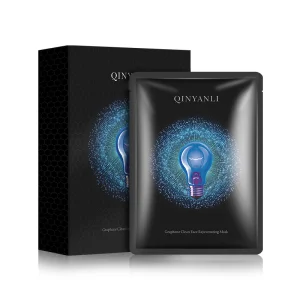
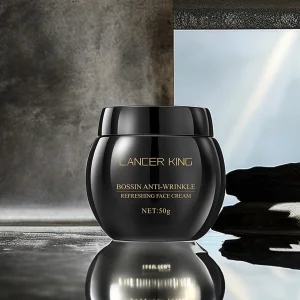
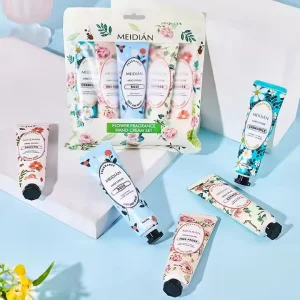
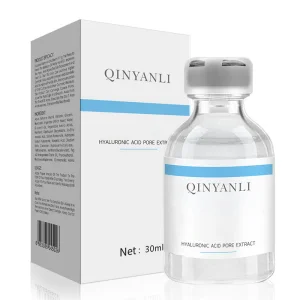
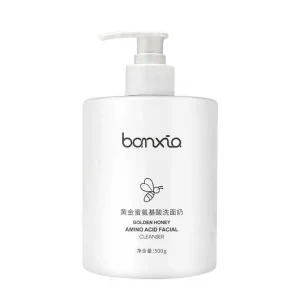
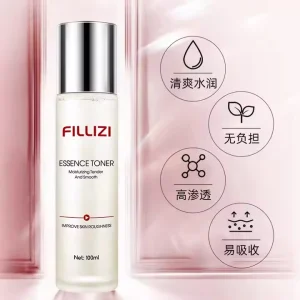
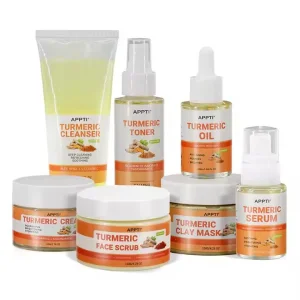
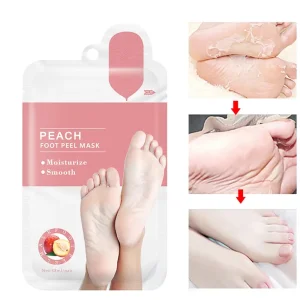
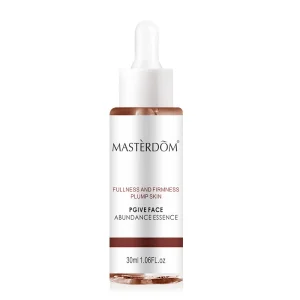
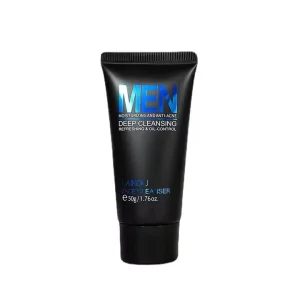
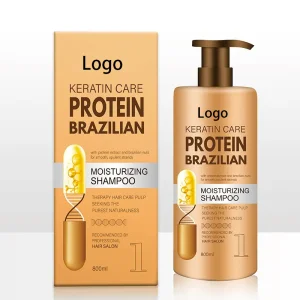
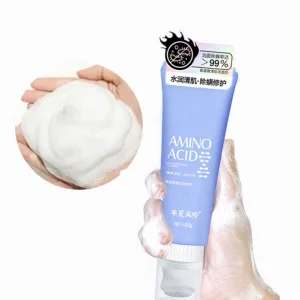
Pair your water-based foundation line with proven cleansers, clarifying masks, toners, and restorative essences to establish a cohesive brand identity.
From digital spectrophotometer shade matching to palletized global shipping, our workflow is structured to optimize your margins and safeguard product quality.
Define coverage targets (sheer, medium buildable, full camouflage), finish preferences (dewy, satin, natural soft-matte), and active ingredient infusions tailored to your regional market compliance guidelines.
Our laboratory blends custom sample trials using calibrated spectrophotometers, dispatching temperature-sealed trial sets for viscosity, undertone, and wear testing within 72 hours of brief signoff.
We run freeze-thaw challenge testing, centrifuge stability reviews, and full compatibility verification between your approved water formula and selected pump, dropper, or bottle packaging materials.
Automated clean-room compounding, precision filling, batch coding, and palletization supported by export compliance dossiers and streamlined sea, air, or rail freight handling straight to your regional distribution centers.