Cross-category R&D synergy: Integrating dermal skincare science into specialized high-coverage color cosmetics.
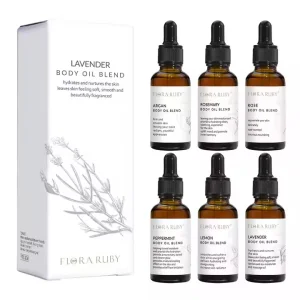
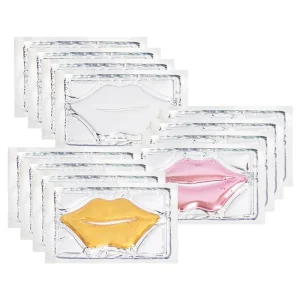
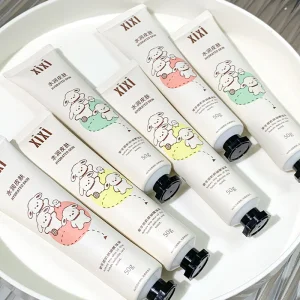
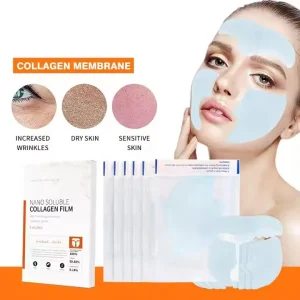
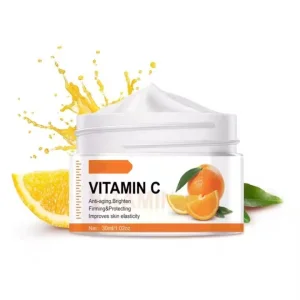
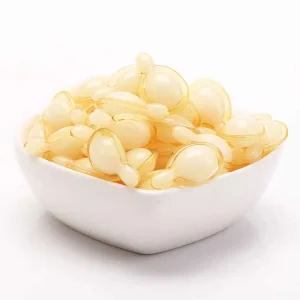
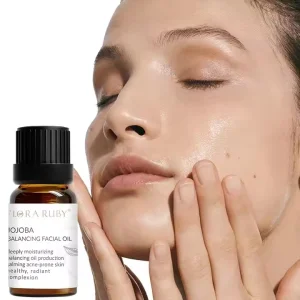

Analyzing market evolution from niche post-procedure coverage to high-growth mainstream lifestyle and professional beauty cosmetics.
Consumer demographics are expanding beyond traditional theatrical makeup. Over 38% of tattooed millennials and Gen-Z demographics require high-performance, non-transfer camouflage products for corporate workplaces, civil service assessments, modeling, and milestone ceremonies.
Medical aesthetics demand multi-functional cover solutions. Formulations must deliver flawless optical opacity while accommodating post-operative bruising, vitiligo, hyperpigmentation, and surgical scars without disrupting the epidermal lipid layer or triggering comedogenesis.
The era of heavy, suffocating petrolatum-based greasepaints has ended. Modern procurement protocols require volatilizing silicones, plant-derived squalane carriers, clean-beauty compliance (EU REACH, Prop 65), and non-cakey, feather-light matte textures.
Engineering climate-resilient rheology and diverse chromatic profiles calibrated for geographical variances.
Optimized for Southeast Asia, Latin America, and coastal belts. Incorporates cross-linked trimethylsiloxysilicate resin networks that resist heavy sweat, cutaneous sebum exudation, and 95%+ relative humidity without creasing or migration.
Engineered for North America, Northern Europe, and alpine regions. Employs micro-dispersed hyaluronic acid spheres and biomimetic ceramides to prevent flaking, ashy micro-cracks, and pigment settlement on compromised dry skin.
Comprehensive chromatic mapping covering 40+ Fitzpatrick skin types (Types I through VI). Formulated with undertone balancers (olive, cool red, neutral, deep golden) to neutralize intense black, dark blue, red, and green tattoo pigments cleanly.
Formulated with spherical silica and boron nitride light-diffusing prisms. Effectively eliminates flash-back under 4K/8K digital studio cameras, fashion runways, sports broadcasting, and ultra-high-definition film production.
Why standard retail concealers fail against body tattoo pigmentation—and how our ODM laboratory solves it.
| Evaluation Parameter | Standard Retail Concealer | Theatrical Greasepaint | Beaza Engineered Tattoo Concealer (ODM) |
|---|---|---|---|
| Pigment Load Concentration | 12% – 18% Micronized Pigments | 25% – 30% Pigment in Heavy Mineral Oil | 38% – 44% Surface-Treated Pigment Suspension |
| Film-Forming Mechanism | Basic Acrylates Copolymer | Non-drying Petrolatum Wax Blend | Dynamic IPN (Interpenetrating Polymer Network) Silicones |
| Rub-Off & Friction Resistance | Fails moderate rub test; transfers to clothing | Smears upon tactile contact; requires heavy powder | Zero-Transfer after 120s self-set; textile abrasion resistant |
| Water & Submersion Integrity | Dissolves under warm water or sweat | Repels water but slips with sweat/sebum | Hydro-Lipophobic barrier; persists through swimming & perspiration |
| Epidermal Permeability | Breathable, low coverage | Occlusive, comedogenic risk high | Biocompatible, non-comedogenic, micro-porous membrane |
Guangzhou Beaza Biotechnology operates two self-owned production powerhouses: Guangzhou Aoyan Cosmetics Co., Ltd. and Guangzhou Xinzimei Cosmetics Co., Ltd.
Headquartered in Guangzhou, the core cluster of global cosmetic engineering, our facilities command rapid raw material sourcing from elite chemical houses (BASF, Symrise, Dow Corning) and local automated packaging suppliers, drastically compressing NPI (New Product Introduction) cycles.
Equipped with German homogenizers, multi-axis automated vacuum emulsification tanks, and high-precision micro-metering volumetric filling machines. We fulfill high-volume purchase orders seamlessly with an 80% repeat-order validation from 327 global brand partners.
Tattoo concealers require strict spectrophotometric batch-to-batch consistency. Our QA/QC laboratories utilize computer-aided Delta-E colorimeter analysis and automated viscometers ensuring Delta-E is held below 0.3 across multi-ton production cycles.
Eliminating cross-border trade friction through pre-cleared certifications and full-dossier product documentation.
All mixing, filling, and packaging processes are executed under Class 100,000 cleanroom environments. Routine microbiological swab tests, water purification (secondary RO EDI systems), and BSCI social accountability protocols are rigorously audited.
We author and supply comprehensive Cosmetic Product Safety Reports (CPSR), compile full Product Information Files (PIF), oversee Cosmetic Products Notification Portal (CPNP) lodgments, and guarantee raw materials are 100% compliant with EU Regulation (EC) No 1223/2009.
Registered with the US FDA (MoCRA ready). We furnish safety data sheets (MSDS), certificates of analysis (COA), Certificate of Free Sale (CFS), Certificate of Origin (CO), and SASO certification for rapid customs entry across Middle Eastern territories.
Strategic R&D milestones leading cosmetic development through 2026–2030.
Refining volatile silicone-organic elastomer hybrids. Yields instantaneous touch-dry films that lock surface pigment crystals, eliminating the necessity for heavy setting powders.
Replacing petro-chemical polymers with polysaccharide pullulan and pine resin matrices. Achieves zero-transfer durability while boosting natural origin indices above 85%.
Incorporating responsive mineral micro-prisms that adapt to fluctuating ambient lux and color temperatures (fluorescent, sunlight, candlelight), preventing shade-shifting.
Embedding encapsulated growth factors, copper tripeptides, and ectoin directly into high-coverage pigments for simultaneous dermal healing of newly acquired tattoo work or scar revisions.
Clear, authoritative information addressing procurement, sampling, MOQ, and formulation mechanics.
Standard full-coverage facial concealers feature a pigment concentration ranging between 12% and 18%, balanced for thin facial dermis. Tattoo concealers developed in our ODM facility utilize a 38% to 44% pigment suspension combined with hydrophobic, lipophobic resin networks. Tattoos deposit heavy, insoluble ink particles in the deep dermis; neutralizing these high-density optical shades requires opaque surface blocking pigments with customized complementary undertones, paired with rub-proof polymers that do not transfer onto clothing.
For stock library modifications (from our 3,500+ proven formulas), bench samples can be dispatched within 3 to 5 business days. For entirely bespoke formulation development—involving custom texture matching, targeted botanical additions, or specific rheological parameters—our in-house laboratory delivers first-round prototypes within 7 to 10 working days, backed by initial stability and compatibility assessments.
Our formulation architecture integrates a volatile carrier (such as isododecane or lightweight dimethicone) with a flexible silicone resin matrix (trimethylsiloxysilicate / polypropylsilsesquioxane). Upon application, the volatile phase evaporates cleanly within 60 to 120 seconds, leaving a microscopic, elastic, water-resistant film that traps the pigment securely on the epidermal surface, resisting mechanical friction from shirt collars, waistbands, and active wear.
MOQs depend directly on packaging architecture and custom component tooling. Utilizing our standardized stock components (pots, precision wand tubes, or dual-shade pans) with custom silk-screen decoration, our starting MOQ is typically 1,000 to 3,000 units. For fully bespoke primary packaging molds or specialized automated tube packaging, MOQs generally begin at 5,000 to 10,000 units.
Yes. Guangzhou Beaza Biotechnology Co., Ltd. operates with GMPC, ISO 22716, BSCI, and FDA registrations. For export shipments, we provide complete dossiers including Certificate of Analysis (COA), Safety Data Sheets (MSDS), Certificate of Free Sale (CFS), and technical files necessary for European CPNP/PIF requirements, UK cosmetic filings, and SASO clearance for the Middle East.
Integrate complementary skincare, makeup-removal balms, and botanical hair solutions into your product lines.
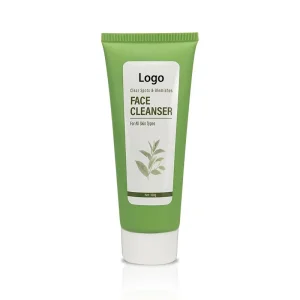
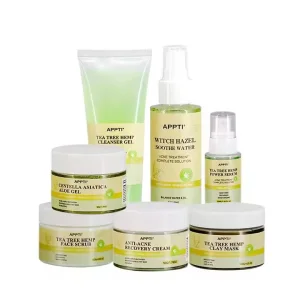
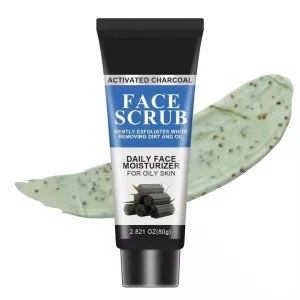
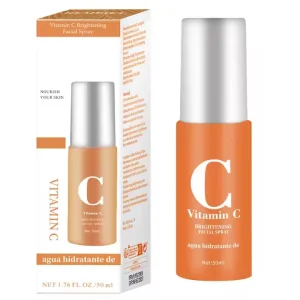

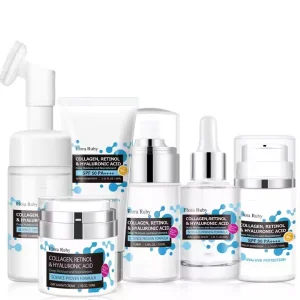
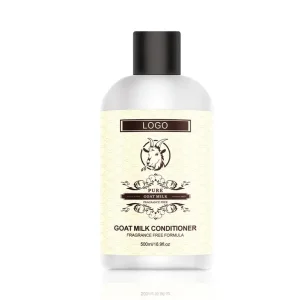
A disciplined, 5-stage collaborative manufacturing lifecycle bringing your private label concept to global shelf reality.
Alignment on target coverage level, finish (matte vs satin-natural), wear-time claims, clean-beauty exclusions, benchmark products, and packaging formats.
Execution of trial batches in our R&D lab. Evaluation of shade undertones, drying kinetics, pigment grind quality, and packaging compatibility.
Thermal cycling tests (accelerated 45°C/freeze-thaw), heavy metal screenings, preservative efficacy testing (PET), and documentation preparation (MSDS, COA, CPSR).
High-shear vacuum homogenizing in cleanrooms, computerized Delta-E chromatic verification, semi-automated assembly, and automated secondary boxing.
Consolidated logistics support offering customs documentation clearance, palletized sea freight, rail express, or expedited air cargo directly to fulfillment hubs.