Seamlessly pair sebum-regulating foundations with cross-compatible clinical skincare, primers, and purifying treatments to elevate basket size and retention.
The liquid base market has shifted away from traditional matte formulas laden with talc toward hybrid, non-comedogenic emulsions designed to regulate the skin's lipid barrier while offering 24-hour stability.
Early industrial formulations relied heavily on chalk, high-load talc, and basic starches. While these agents absorbed surface lipids rapidly, they created severe drawbacks: formula cakey-ness, chalky oxidization within 3 hours, and follicular occlusion causing post-inflammatory hyperpigmentation.
Obsolete Standard Heavy Particle AgglomerationThe transition to cyclopentasiloxane (D5) and dimethicone systems allowed "flash" evaporation and dry slip. However, intensifying regulatory pressures across the European Union (REACH Annex XVII) and shifting global consumer clean beauty standards have curtailed long-chain cyclic volatile silicones.
High Regulatory Scrutiny Non-Biodegradable ResiduesModern OEM formulation focuses on selective sebum entrapment through hollow silica microspheres, plant-derived squalane-stabilized alkanes, and film formers like trimethylsiloxysilicate complexes. Excess lipid triglycerides are absorbed without stripping structural barrier moisture.
China Factory 4.0 Standard Non-Comedogenic & CleanWhy conventional liquid cosmetics fail on lipid-rich cutaneous surfaces: a breakdown of phase inversion, pigment agglomeration, and chemical stabilization methods.
The external continuous phase determines how foundation interacts with skin lipids. Our specialized W/Si and Water-in-Isododecane matrices use branched polyglycerol emulsifiers. When natural skin sebum (free fatty acids, squalene, and wax esters) is secreted, it cannot break the external continuous barrier. This prevents pigment clustering and patchiness.
Untreated titanium dioxide and iron oxides are naturally hydrophilic. When contacted by skin sebum and sweat, they shift color, resulting in oxidation where makeup turns orange or dull gray. We apply silane surface-coating across 100% of mineral pigments, rendering them hydrophobic and lipophilic for color consistency from morning to night.
B2B brands increasingly demand functional skincare benefits in their makeup products. Our automated manufacturing lines integrate micro-encapsulated Salicylic Acid (BHA), Niacinamide (Vitamin B3), and Zinc PCA. These oil-control actives time-release throughout wear without destabilizing the emulsion matrix.
| Performance Parameter | Legacy Low-Tier OEM Bulk | Standard Commercial Matte | Beaza Engineered Oily Skin Foundation |
|---|---|---|---|
| Continuous Phase System | Water-in-Mineral Oil (W/O) | Volatile Cyclopentasiloxane (D5) | W/Si Isododecane + Bio-Alkanes Hybrid |
| Sebum Trapping Mechanism | High Talc & Cornstarch Fillers | Precipitated Calcium Carbonate | Hollow Spherical Silica & Polymethylsilsesquioxane |
| Oxidation Resistance (Delta-E) | > 2.8 (Severe discoloration) | 1.2 - 1.8 (Noticeable darkening) | < 0.5 (Imperceptible shift over 16 hours) |
| Viscosity Profile (Brookfield) | Unstable shear-thinning (clumping) | 5,000 - 8,000 mPa.s | 3,500 - 6,500 mPa.s Thixotropic Self-Leveling |
| Transfer Resistance | Low (< 60% retention on rub test) | Medium (~80% mechanical hold) | Ultra-High (> 96% flexible resin polymer film) |
Operating two self-owned production complexes in Huadu District, Guangzhou: Guangzhou Aoyan Cosmetics Co., Ltd. and Guangzhou Xinzimei Cosmetics Co., Ltd. We engineer stability into every step of cosmetics production.
In high-coverage foundations for oily skin, micro-bubbles produce pinholes on application that absorb facial oil and break apart the makeup film. Our high-shear vacuum emulsification suites operate under -0.09 MPa vacuum pressures, dispersing pigments evenly below 5 microns for a uniform, glass-smooth finish.
By collaborating directly with premier global raw material houses (BASF, Croda, Ashland, Dow Corning) alongside domestic primary packaging manufacturers, we insulate our brand partners from supply shocks. Custom bottles, precision airless pumps, and custom color-matched bulk move smoothly from initial prototype to mass production.
Every batch undergoes rigorous quality assurance: heavy metal ICP-MS screening, microbiological challenge assays, centrifuge emulsion split tests (4,000 RPM at 50°C), and real-time viscosity checks. Full audit support: GMPC, ISO 22716, FDA Voluntary Cosmetic Registration, and technical dossiers ready for CPNP and PIF filings.
Skin biology behaves differently across humidity zones and ethnic undertones. Successful international beauty brands tailor their private label foundations to local skin types and environments.
High ambient relative humidity (>80%) and temperatures exceeding 32°C lead to simultaneous perspiration and lipid flow. Foundations must use water-resistant, flexible silicone-acrylate hybrid films with hydrophobic fumed silica. This stops formula breakdown from sweat without triggering congestion or acne flare-ups.
Hydrophobic Film Formers Sweat-Proof EmulsionsIntense thermal exposure causes standard foundations to dry out, triggering rebound oil production across the T-zone. Formulations for this region feature oil-absorbing porous spherical boron nitride paired with lightweight hydration (low-molecular sodium hyaluronate) to balance skin hydration in high heat.
Thermostable Pigments Hydration Balance SystemsConsumers prioritize breathable, non-comedogenic coverage with modern skin-friendly credentials. Formulations feature natural matte finishes, blue-light defense, anti-pollution botanical extracts, and broad inclusive shade matrices spanning Cool, Neutral, Warm, and Olive undertones.
Inclusive Undertone Matching Clean Skin ProtectionClear answers to key technical, logistical, and manufacturing questions for beauty brand owners, purchasing directors, and procurement managers.
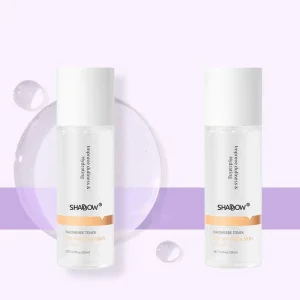
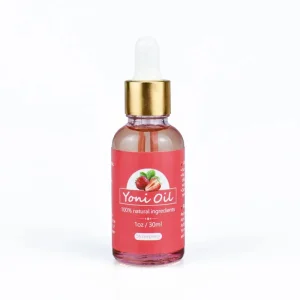
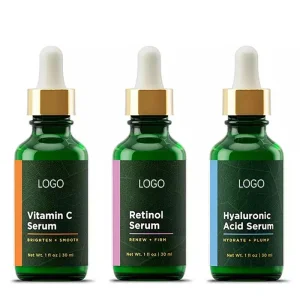
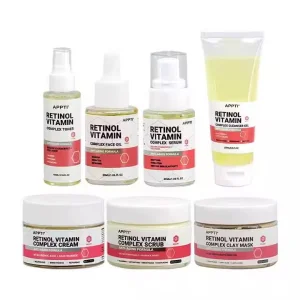
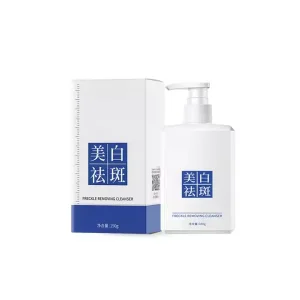
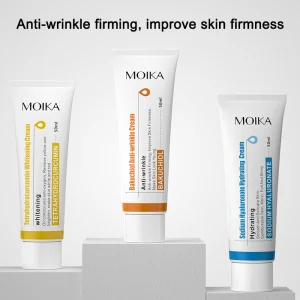
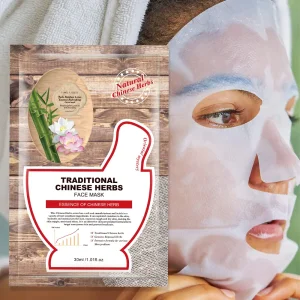
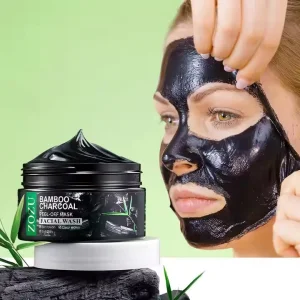
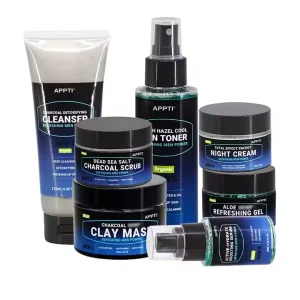
Broaden your brand lineup with our proven facial serums, acne clarifying masks, tone-evening solutions, and daily skin-purifying essentials.