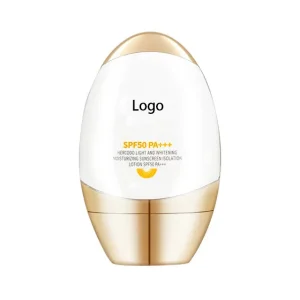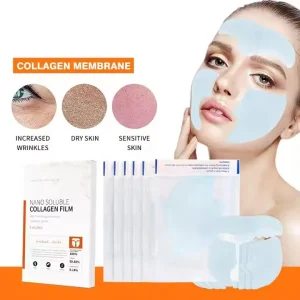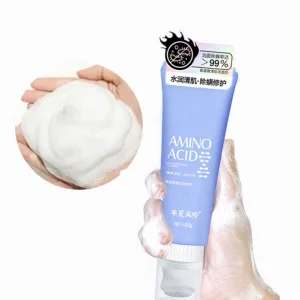
Explore our export-ready skincare architectures engineered under cGMP compliance, tailored for private label launch speed and dermal efficacy.

The photoprotection category has undergone a structural transformation. Brand portfolios can no longer rely on singular chemical filters or sticky, white-cast zinc suspensions. Modern consumers demand intelligent multi-spectrum radiation defense coupled with active skincare finishes.
Next-gen lotions protect past UVA/UVB (290–400nm) into High-Energy Visible (HEV) blue light (400–500nm) and Infrared-A radiation. By infusing specialized polyphenol botanicals and functional iron oxides, our OEM matrices prevent deep-tissue matrix metalloproteinase breakdown.
Addressing the core consumer pain point of pore congestion and tackiness, our proprietary high-shear homogenizing pipelines generate ultra-fine sub-micron droplet emulsions. The result: rapid phase inversion upon epidermal friction and a velvet, weightless matte wear.
Compliant with Hawaii Act 104, Palau, and Key West safety mandates. Completely void of Oxybenzone, Octinoxate, 4-Methylbenzylidene Camphor, and microplastics. We leverage micro-dispersed non-nano Zinc Oxide treated with botanical stearic acid coatings for marine-safe certification.
Developing private label sun lotions on a multinational level requires navigating deep legislative divergence across target geographic trade zones.
In the United States, SPF is classified under FDA 21 CFR Part 201 as an Over-The-Counter (OTC) drug. Manufacturing partners must possess active FDA site registrations, validate Process Analytical Technology (PAT), and perform mandatory GRASE (Generally Recognized as Safe and Effective) documentation.
Treated as functional cosmetics requiring rigorous UVAPF / SPF ratio balance (≥ 1/3) and critical wavelength thresholds exceeding 370nm. Production must be linked to designated Responsible Persons (RP), comprehensive Cosmetic Product Safety Reports (CPSR), and automated CPNP directory filings.
Spearheaded by South Korea and Japan, APAC markets prioritize "essence-lotion" and "water-drop" textures with invisible PA++++ protection. Formula solutions in this sector mandate bi-phase encapsulation of broad-spectrum organic absorbers such as Tinosorb S, Uvinul A Plus, and Mexoryl SX.
Mitigate clearance risks and product recalls through validated Good Manufacturing Practices and multi-jurisdiction dossier generation.
Production is centralized within Guangzhou Aoyan Cosmetics Co., Ltd. and Guangzhou Xinzimei Cosmetics Co., Ltd. Direct manufacturing bypasses third-party sourcing fees, securing uncompromising quality control, cleanroom purity, and stable bulk supply chains.
Every commercial batch arrives supported by ISO 24444 (In-Vivo SPF), ISO 24443 (In-Vitro UVA Broad Spectrum), and ISO 16217 (Water Resistance) validation reports, supplemented by standard batch COA, Safety Data Sheets (SDS), and microbiological challenge tests.
Seamless execution of export requirements: Certificates of Free Sale (CFS), SASO certifications for the Middle East, Certificate of Origin (CO), and end-to-end multi-modal DDP/FOB freight handling by sea, air, or express courier.
Private label sunscreen lotions engineered to outperform under varied climatic conditions, skin biologies, and active lifestyles.
Tailored for daily commuter defense against photochemical smog and blue light emissions. Non-comedogenic, dry-touch lotion designed to sit flawlessly under cosmetic foundations without pilling or greasiness.
Formulated with specialized acrylate cross-polymers that form a hydrophobic mesh over the stratum corneum. Resists displacement through heavy sweat and water immersion, preserving SPF 50+ integrity through 80 minutes of activity.
100% Zinc Oxide and Titanium Dioxide physical barrier suspensions fortified with Centella Asiatica, Madecassoside, and Bisabolol. Clinically optimized for compromised post-treatment skin and paediatric dermal barriers.
Our "1+2+2+N+N" collaborative research initiative integrates leading academic synthesis with industrial manufacturing scale.
Integrating sustainably cultivated lignin biopolymers, Pongamia pinnata derivatives, and mycosporine-like amino acids (MAAs). These functional phyto-actives allow a 35% reduction in synthetic filter loads while preserving elevated SPF curves.
Developing responsive micro-capsules containing encapsulated antioxidants that rupture and release active Vitamin C and E only when stimulated by solar radiation intensity, providing real-time defense against lipid peroxidation.
Moving toward circularity with 100% PCR HDPE tubes, airless PP mono-material pump dispensers, and bio-degradable sugarcane resins that streamline curbside recycling without chemical formula destabilization.
Direct technical and operational answers to support your brand's regulatory and commercial evaluation.
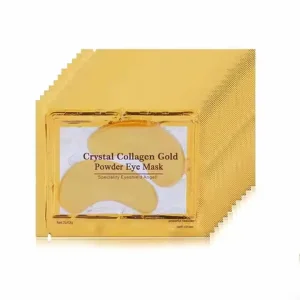
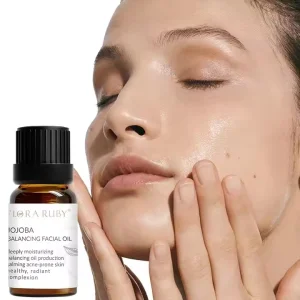
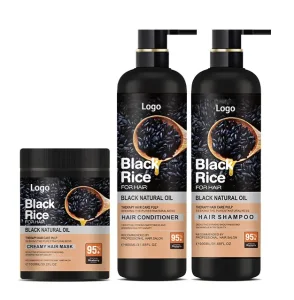
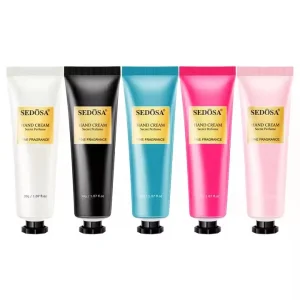
Broaden your brand lineup with high-demand private label face, body, and specialized personal care formulations.