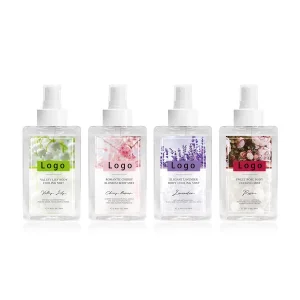
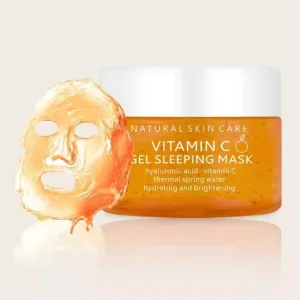
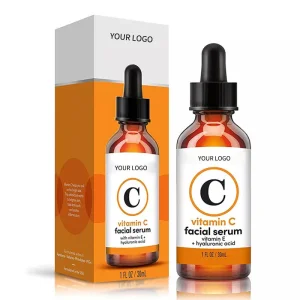
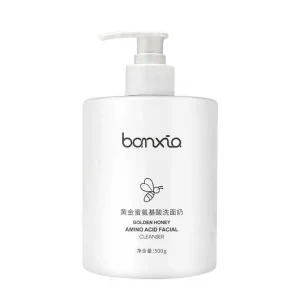
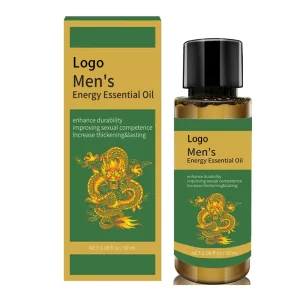
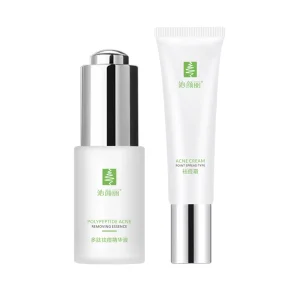
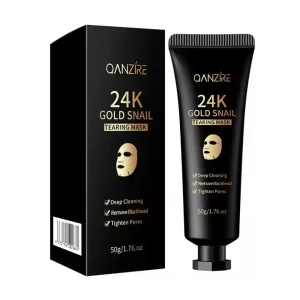
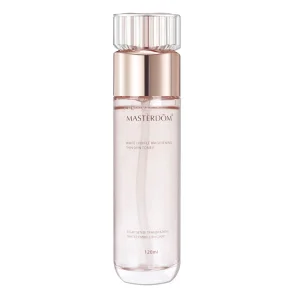
Explore production-ready private label formulations engineered in our GMPC-certified facility. Every product is backed by full toxicological safety dossiers and scalable batch capacity.
The global hyaluronic acid skincare segment is experiencing an unprecedented evolution from mono-functional hydration claims to clinically substantiated, multi-depth bio-fermented barrier repair systems.
In modern dermatological procurement, commercial brands, clinical medispas, and omnichannel retail distributors face dual-sided market pressures: skyrocketing consumer expectations regarding instantaneous skin plumping and barrier protection, counterbalanced by stringent clean-beauty compliances, raw material traceability, and cold-chain stability requirements. As enterprise cosmetic brand managers structure their annual purchase orders, moving beyond generic high-molecular-weight surface film-formers to complex oligomeric hyaluronic structures (Hydrolyzed Sodium Hyaluronate down to <5 kDa) has transitioned from an optional upscale tier to an essential market expectation.
Global procurement networks require rigorous supply chain de-risking. Operating two self-owned production complexes—Guangzhou Aoyan Cosmetics Co., Ltd. and Guangzhou Xinzimei Cosmetics Co., Ltd.—under Guangzhou Beaza Biotechnology Co., Ltd., we mitigate upstream raw material choke points through dual-facility redundancy, integrated bulk emulsification capacities, and automated high-throughput filling infrastructure.
We tailor execution models to regional economic frameworks. Multinational brands seeking localized final packaging assembly can source bulk emulsions under strict nitrogen-flushed, micro-filtered aseptic totes, while digital-native direct-to-consumer (DTC) brands leverage our turnkey formulation, container injection, silk-screen decoration, secondary packaging, and export clearing.
A formula engineered for dry Nordic winters fails when deployed in Southeast Asian humidity. Our laboratory calibrates lipid-to-water phase ratios, pairing hyaluronic acid cascades with volatile silicone alternatives, phytosterols, and natural squalane to achieve tailored absorption profiles without tacky post-application residue.
Deep-dive into molecular mass distribution, lipid encapsulation mechanics, and synergistic anti-aging active integration that define our next-generation OEM/ODM face creams.
Standard retail moisturizers rely primarily on High Molecular Weight Sodium Hyaluronate (1,500 kDa to 2,200 kDa), which creates an effective trans-epidermal water loss (TEWL) barrier but cannot penetrate the stratum corneum due to the molecular size limit of the inter-cellular junction (~500 Da). Guangzhou Beaza Biotechnology's bio-fermentation research team utilizes an enzymatic degradation process to formulate an integrated multi-weight hyaluronic acid matrix that acts across all physiological layers of the epidermis.
| Hyaluronic Fraction | Molecular Mass Range | Biological Target | Physiological Mechanism & Benefit |
|---|---|---|---|
| Sodium Hyaluronate Crosspolymer | > 2,500 kDa (Crosslinked) | Skin Surface (Stratum Corneum) | Forms a continuous, breathable 3D protective lattice; provides 5x superior water-binding stability compared to standard HA; shields against particulate pollution. |
| High Molecular HA (HM-HA) | 1,500 – 1,800 kDa | Outer Stratum Corneum | Instant smoothing of surface micro-relief; prevents rapid TEWL; delivers signature velvety skin glide without synthetic microplastics. |
| Medium Molecular HA (MM-HA) | 200 – 400 kDa | Stratum Granulosum | Nourishes mid-level epidermal moisture reservoirs; reinforces natural lipid synthesis; optimizes keratinocyte cell cohesion. |
| Low Molecular HA (LM-HA) | 50 – 100 kDa | Stratum Spinosum | Deep interstitial hydration; triggers endogenous CD44 receptor activation; stimulates collagen synthesis and accelerated tissue regeneration. |
| Oligo / Hydrolyzed HA | < 5 kDa (Enzymatic) | Stratum Basale & Dermal Junction | Trans-epidermal penetrating bio-active; down-regulates pro-inflammatory cytokines; repairs cellular DNA damaged by UV exposure and photo-aging. |
To lock in hydration delivered by low-molecular HA, our chemist team synthesizes an identical 3:1:1 physiological lipid ratio: Ceramides (NP, AP, EOP), Phytosphingosine, and Free Fatty Acids, preventing trans-epidermal moisture escape and repairing chemical peel compromise.
Hyaluronic acid works in tandem with matrix rebuilding peptides: Palmitoyl Tripeptide-1, Palmitoyl Tetrapeptide-7 (Matrixyl 3000), and Copper Tripeptide-1 (GHK-Cu), signalling fibroblasts to synthesize new structural elastin alongside extracellular matrix hyaluronan.
Hydrophilic hyaluronate particles face hydrophobic barrier impedance. We apply high-pressure microfluidization (15,000 PSI) to encapsulate unstable hydro-actives inside non-GMO soy-derived liposomes, driving bioavailability 340% deeper than unencapsulated solutions.
Operating dual automated manufacturing plants in Guangzhou, China, delivering precision batch consistency, automated vacuum emulsification, and pharmaceutical-grade sanitation.
Two industrial complexes: Guangzhou Aoyan Cosmetics Co., Ltd. and Guangzhou Xinzimei Cosmetics Co., Ltd. Combined 20+ automated lines guaranteeing fast turnaround times and high-capacity scalability.
Emulsification, filling, and packaging operate within 100,000-grade (ISO 7) air purification zones with positive atmospheric pressure, HEPA filtration, and strict UV sterilization airlocks.
Multi-stage EDI + Two-pass Reverse Osmosis (RO) filtration yielding purified water with electrical conductivity <1.0 μS/cm, exceeding USP cosmetic monographs to prevent formulation degradation.
In-house laboratories equipped with HPLC, Brookfield viscometers, stability chambers (-15°C to 50°C), and microbiological challenge chambers executing continuous real-time verification.
Accelerate international customs clearance and retail compliance. We provide complete toxicological dossiers and regulatory submissions across North America, the European Union, the Middle East, and Asia-Pacific.
Beaza provides full compliance under the Modernization of Cosmetics Regulation Act (MoCRA). Our facility maintains active FDA establishment registration, substantiated ingredient safety profiles, compliant allergen labeling, and professional adverse event reporting management.
We streamline EU market entry by authoring the complete Cosmetic Product Safety Report (CPSR Part A & B) certified by accredited European Eurofins/Intertek toxicologists, assembling the Product Information File (PIF), and expediting CPNP notification.
Facilitating seamless commercial market entry across GCC nations. We execute product testing and technical data preparation for SASO/FASAH (Saudi Arabia), ESMA (UAE), Certificate of Free Sale (CFS), and verified GMPC / ISO 22716 export documentation.
Broaden your brand assortment with specialized treatment, acne recovery, luxury anti-aging, and botanical formulas manufactured under identical clinical purity standards.
Essential technical, commercial, and regulatory guidance for professional cosmetic brand directors and procurement executives sourcing private label skin creams.
For pre-formulated stock bases selected from our mature formula library (3,500+ formulas), private label MOQs typically begin at 1,000 to 3,000 units with standard packaging. For custom bespoken formulation requiring tailored viscosity adjustments, unique bio-actives (e.g., specific ceramide/peptide percentages), or custom-molded luxury containers, the baseline MOQ is generally 5,000 to 10,000 units to ensure batch economy in our vacuum homogenizers.
Tackiness occurs when high molecular weight HA forms an uncalibrated occlusive film on the skin. We solve this by engineering a polydisperse 4D molecular cascade, incorporating low and oligo molecular fractions (<10 kDa) alongside polyglutamic acid (PGA), botanical squalane, and sensory rheology modifiers like biosaccharide gum-1. This ensures rapid dermal quenching with a velvety, non-sticky finish.
Every formulation undergoes a strict 90-day accelerated stability regimen, including exposure to 45°C/75% RH, -10°C freeze-thaw cycles, and continuous UV photo-stability evaluation. In addition, our microbiology lab conducts Antimicrobial Preservative Effectiveness Testing (PET) according to USP 51 / ISO 11930 standards to ensure microbial integrity across broad retail shelf lives.
Yes. We specialize in modern clean-beauty compliance. We can replace cyclic silicones (D4/D5) with eco-certified coco-caprylate or hemisqualane, avoid synthetic carbomers in favor of natural xanthan/succinoglycan matrices, and utilize food-grade green preservative systems such as caprylhydroxamic acid, glyceryl caprylate, and pentylene glycol derived from sugarcane.
Airless pump delivery prevents oxidation of co-active ingredients (like Retinol or Ascorbic Acid) and allows lower preservative loading. For brands specifying open glass or acrylic jars, our formulation chemists increase the structural yield value and reinforce broad-spectrum preservative systems to resist repeated consumer finger contamination without compromising skin barrier mildness.
Once the prototype sample and artwork packaging proofs are formally locked, component production and raw material batching require approximately 20 to 25 working days. Compounding, automated vacuum filling, batch QC, and secondary carton assembly conclude in 10 to 15 days. Total turnkey delivery to Shenzhen, Nansha, or Hong Kong ports generally averages 35 to 40 days.
Partner directly with Guangzhou Beaza Biotechnology Co., Ltd. Leverage over two decades of manufacturing mastery, self-owned manufacturing facilities, and world-class cosmetic R&D.