Direct supply chain access to clinical-grade skincare and high-shine lip treatments. Verified formulas engineered for premium market release.
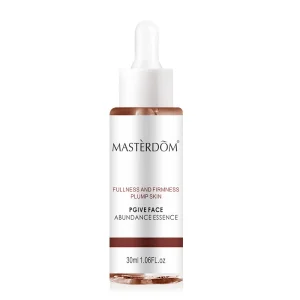
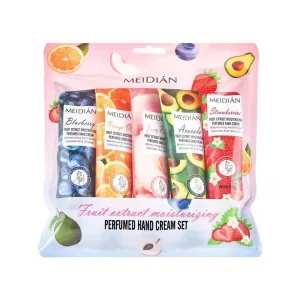
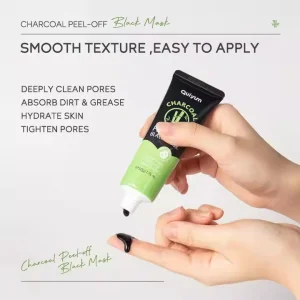
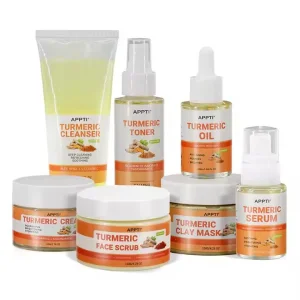
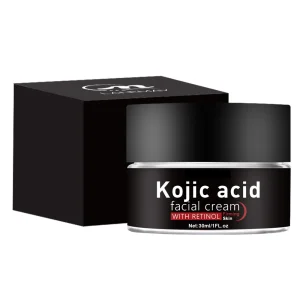
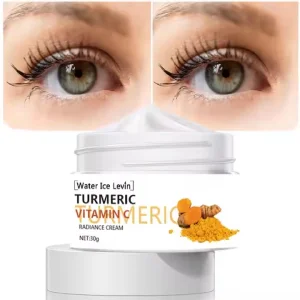
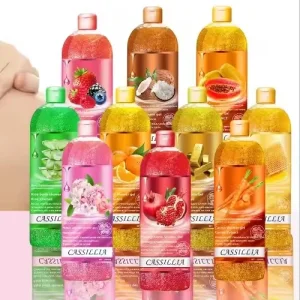

Deconstructing the commercial transition from decorative cosmetics to barrier-repair hybrid polymer matrices.
The global lip gloss and hybrid lip care market has experienced a significant structural transformation over the past five years. Where early cosmetic markets rewarded high-tack, high-viscosity polybutene formulations that provided transient mirror shine, modern enterprise buyers face an informed consumer base demanding "clean hydration performance," physiological volume plumping, and non-sticky sensory mechanics. This paradigm shift has made private label glossed lip gloss development a discipline centered on colloidal chemistry and lip-barrier biophysics.
Industrial formulations now integrate high refractive-index cosmetic esters with bioactive lipids, plant-derived squalane, synthetic peptides (e.g., Palmitoyl Tripeptide-38), and low-molecular-weight hyaluronic acid microspheres.
As independent beauty brands scale across cross-border channels like Amazon, TikTok Shop, and specialty chains (Sephora, Ulta, Douglas), procurement leaders must balance pigment dispersion stability with ultra-clean INCI requirements (microplastic-free, PFAS-free, cruelty-free, and vegan compliant). Achieving high optical glossiness without causing vertical lip line bleeding requires strict control of rheological profiles and precise emulsification shear parameters.
Engineering agility, local upstream component integration, and automated batching precision under ISO 22716 compliance.
Situated in the heart of Huadu, Guangzhou, our facilities directly interface with the world’s most dense cosmetics packaging and raw-material ecosystem. From rapid mold development for custom doe-foot applicators to electroplated closures and optical-grade PCTG tubes, we eliminate weeks of multi-vendor friction.
Viscous gloss matrices require vacuumized homogenization to prevent micro-air bubble entrapment, which compromises visual clarity in transparent packaging. Our computerized micro-filling lines maintain temperature consistency within ±0.5°C, ensuring accurate volumetric fills and zero wiper leakage.
Operating through Guangzhou Beaza Biotechnology Co., Ltd. with two full-scale plants (Guangzhou Aoyan Cosmetics Co., Ltd. and Guangzhou Xinzimei Cosmetics Co., Ltd.), we manage surge-demand spikes and high-volume purchase orders seamlessly without extending production lead times.
Quantitative evaluation metrics established by our in-house lab to ensure export consistency across varied climates.
| Formulation Parameter | Laboratory Testing Standard | Bulk Manufacturing Tolerance | Commercial Impact |
|---|---|---|---|
| Refractive Index (Gloss Value) | ASTM D523 Optical Reflectance @ 60° | RI ≥ 1.485 – 1.510 | Delivers mirror-like glass reflection without requiring synthetic glitters. |
| Apparent Viscosity | Brookfield DV2T (Spindle 4 @ 12 RPM, 25°C) | 12,000 – 18,500 mPa·s | Guarantees zero drag during doe-foot application while preventing pooling. |
| Thermal Migration Resistance | Centrifugal cycling (-10°C to 48°C / 72 hours) | Phase Separation: None (Grade 0) | Prevents oil bleed, syneresis, and phase breakdown during ocean freight. |
| Heavy Metal Limits | ICP-MS (Inductively Coupled Plasma Mass Spectrometry) | Pb < 2ppm, As < 1ppm, Cd < 1ppm | Full compliance with FDA 21 CFR 700 & EU Regulation (EC) No 1223/2009. |
| Microbial Limit Test | USP <61> / <62> Total Aerobic Plate Count | < 100 CFU/g, Zero Pathogens | Safeguards mucosal stability and extends shelf stability past 36 months. |
Adapting formula viscosity, tint opacity, and claims substantiation for strategic geographical beauty demographics.
Procurement teams prioritizing North American DTC markets demand sheer, plumping lip gloss oils enriched with non-irritating warming/cooling sensory agents (vanillyl butyl ether or menthoxypropanediol). Formulas require broad shade ranges with high translucent undertones suited for mixed skin tones.
European cosmetic buyers face stringent updates under REACH and ECHA guidelines banning intentional microplastics (synthetic polymer wax cross-polymers). We provide fully substantiated natural alternative matrices using castor-derived vegetable polyols, carnauba derivates, and certified COSMOS fragrances.
GCC importers seek rich, high-pigment formulations with long-wear tack, fortified with high-sparkle borosilicate glass pearls that resist extreme temperature fluctuations. Full documentation support including SASO quality marks and Certificate of Free Sale (CFS) is integrated into our workflow.
Anticipating market requirements over the 2026–2030 horizon through forward-looking raw material innovation.
Transitioning from clear formulations to customized rose-pink stains via solubilized Red 27 derivates that react dynamically to the skin's individual moisture and pH levels.
Moving away from harsh capsicum irritants in favor of matrix-stimulating oligopeptides that promote natural collagen synthesis and long-term lip vermilion definition.
Eliminating composite metal spring pumps and hybrid multi-resin caps in favor of mono-material PP and PET recyclability that meets global retail ESG guidelines.
Lip oil hybrids incorporating skin-identical Ceramide NP, AP, and EOP complexes designed to restore compromised cellular margins and soothe chronic lip desquamation.
Engineered for high consumer retention and seamless international customs clearance across major trading ports.
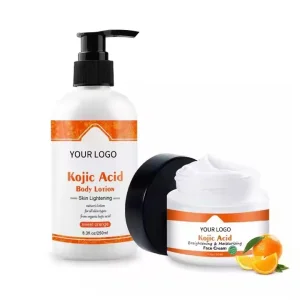
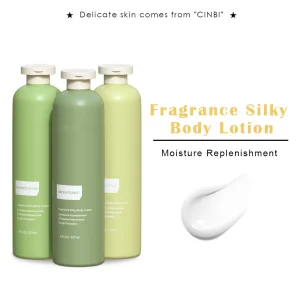
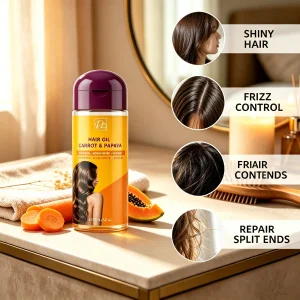
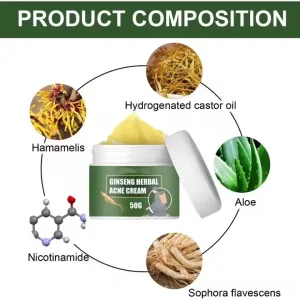
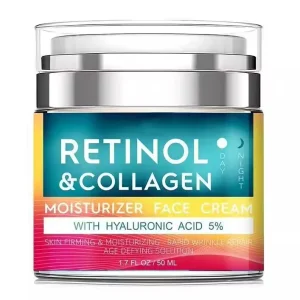

Detailed insight into OEM/ODM contract terms, testing protocols, documentation support, and logistics execution.