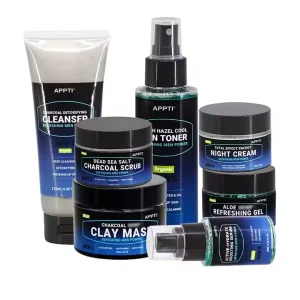
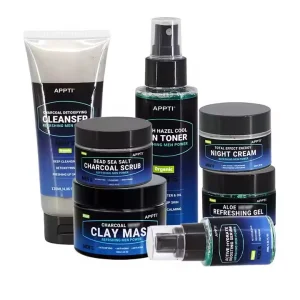
Engineered in our ISO 22716 & GMPC cleanroom facilities, our clinical-grade formulas integrate microencapsulated retinol with synergized actives for accelerated barrier revitalization.
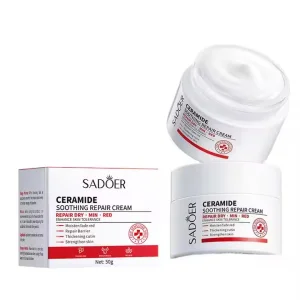
Retinoids remain the undisputed gold standard in dermatological anti-aging. Driven by expanding consumer awareness and clinical validation, brand owners face distinct regional demands and formulation paradigms.
The North American ecosystem prioritizes high-potency actives combined with clinical substantiation. Consumers expect 0.3% to 1.0% pure retinol matrices, paired with biomimetic ceramides and squalane to counteract trans-epidermal water loss (TEWL) and flaking.
With recent EU SCCS directives mandating a 0.3% retinol threshold for face products, brands must re-engineer formulas for maximum efficacy at lower concentrations. ODM integration of gentle boosters like Bakuchiol and Granactive Retinoid (HPR) solves this compliance gap.
Asian-Pacific markets place heavy emphasis on skin barrier integrity. Low-dose encapsulated variants (0.05% - 0.1%) surrounded by soothing complexes—Centella Asiatica, Madecassoside, and Multi-Peptides—command double-digit CAGR growth across e-commerce retail.
Retinol is inherently vulnerable to photo-oxidation, thermal degradation, and oxidation. At Guangzhou Beaza Biotechnology, our specialized research laboratory deploys advanced chemical engineering to maximize bio-availability while safeguarding molecular integrity.
Retinol is shielded inside sub-micron liposomal shells, preventing early oxidation from UV/air while facilitating slow, sustained transdermal penetration over 8–12 hours.
We incorporate pure bisabolol, ectoin, and bio-fermented beta-glucan to down-regulate inflammatory cytokine cascades, mitigating retinol purges and erythema.
Manufactured in nitrogen-blanketed German homogenizers running under -0.09 MPa vacuum pressure, guaranteeing near-zero dissolved oxygen throughout the processing cycle.
Engineered alongside aluminum-coated tubes and dual-chamber opaque airless pump vessels to prevent oxygen ingress and photolytic degradation across 24-month shelf life.
Retinol cannot be approached with a single monolithic formula. Modern omnichannel marketing requires precision-formulated SKUs that target specific micro-climates, lifestyles, and skin tolerances.
Formulated for mature demographic segments experiencing photo-damage and loss of elasticity. Combines 0.5% encapsulated retinol, multi-peptides (Palmitoyl Tripeptide-1, Tetrapeptide-7), and niacinamide in a rich, lipid-dense emulsion designed for nighttime cellular regeneration.
Targeted at Gen-Z and millennial entry-level consumers. Employs 0.1% slow-release micro-retinol balanced with panthenol, 5-layer hyaluronic acid, and botanical ceramides. Designed for alternating 4-day skin cycling routines without peeling, tingling, or flaking.
Developed specifically for Southeast Asian, Gulf Coast, and Middle Eastern markets. Utilizes an ultra-light water-burst gel-cream structure featuring Hydroxypinacolone Retinoate (HPR), zinc PCA, and tea tree extracts to regulate seborrhea without pore blockage.
With two self-owned production bases—Guangzhou Aoyan Cosmetics Co., Ltd. and Guangzhou Xinzimei Cosmetics Co., Ltd.—Guangzhou Beaza Biotechnology delivers tier-one production efficiency directly from China's primary cosmetic hub.
Operating in Guangzhou puts Beaza at the epicenter of the global cosmetic raw material, glassmaking, screen printing, and paper packaging ecosystem. What takes European facilities weeks to source is secured within 48 hours locally, drastically compressing project lead times from inception to container loading.
Our facilities integrate class-100,000 cleanroom workshops equipped with inline automatic optical inspection (AOI), laser torque capping testing, and continuous viscosity-pH tracking. High-potency active ingredients like retinol undergo rigorous HPLC (High-Performance Liquid Chromatography) stability assays pre- and post-filling.
Launching cosmetic brands internationally necessitates strict regulatory adherence. We deliver end-to-end documentation packages simultaneously with production batches, preventing customs hold-ups and retail delistings.
Full preparation of Product Information Files (PIF) alongside Cosmetic Product Safety Reports (CPSR Part A & B) signed by European certified safety assessors, ensuring seamless notification on the EU CPNP and UK SCPN portals.
Full facility registration under the Modernization of Cosmetics Regulation Act (MoCRA), covering mandatory listing of cosmetic products, ingredient adverse event monitoring, compliant INCI labeling, and batch-wise COA verification.
Dedicated documentation for Saudi Arabia (SASO/FASAH), UAE (Montaji), and regional Gulf regulatory bodies. Formulations avoid prohibited animal derivatives, ethanol, and strictly observe raw-material traceability guidelines.
Clear answers on formulation options, minimum orders, stabilization parameters, and turnkey production timelines.
Expand your brand catalog with our high-demand serums, nourishing balms, hair treatments, and targeted treatment complexes manufactured to GMP standards.