Market-tested formulations, clean clinical aesthetics, and automated filling capabilities engineered for international turnkey retail packaging.

Analyzing powder rheology, micro-milling breakthroughs, and modern turnkey cosmetic supply systems.
The contemporary eye makeup sector is witnessing an unprecedented paradigm evolution. Brand owners, beauty conglomerates, and fast-growth direct-to-consumer labels are transitioning away from generic contract manufacturing toward precision-engineered chemical formulation and modular packaging architectures. Producing a high-yield, commercial-grade private label eye shadow palette requires mastery over multiple interdependent disciplines: particle size optimization, chromatic fidelity across diverse lighting conditions, emulsion-powder binder compatibility, high-speed automated hydraulic compaction, and multi-jurisdictional compliance.
As consumer expectations shift radically toward high pigment payoffs without fallout, seamless blendability, talc-free carrier matrices, and non-creasing all-day performance, color cosmetics factories must integrate rigorous chemical engineering at every stage. Guangzhou Beaza Biotechnology Co., Ltd., through its advanced production facilities—including Guangzhou Aoyan Cosmetics Co., Ltd. and Guangzhou Xinzimei Cosmetics Co., Ltd.—operates at the nexus of advanced cosmetic science and large-scale industrial execution. By deploying automated cleanrooms, precision multi-cavity pressing presses, and joint R&D partnerships with world-class pigment suppliers, Beaza establishes a dependable framework for global cosmetic brand deployment.
Technical Quality Benchmark: Every custom-pressed shadow pan engineered within Beaza's ISO 22716 and GMPC-certified facilities undergoes standardized ASTM-D5264 abrasion testing, drop-impact testing from 1.2 meters onto solid concrete, and microbial challenge assays (USP 51/ISO 11930) to guarantee structural integrity throughout transoceanic distribution.
Exploring high-performance finishes from hyper-pigmented velvety mattes to multi-reflective chromatic slurries.
Jet-milling raw mineral pigments down to 5–15 microns produces an ultra-smooth, buttery powder that blends effortlessly without skipping.
Liquid solvent-dispersion slurry technology coats pearls with emollients before automated vacuum extraction and hydraulic compaction.
Combining cross-linked silicone polymers with lightweight volatile oils yields a flexible sponge texture that sets into a smudge-proof powder shield.
| Palette Texture Category | Primary Substrate Matrix | Binder Formulation Profile | Target Finish / Light Dispersion | OEM Testing Standard |
|---|---|---|---|---|
| Velvet Touch Matte | Synthetic Fluorphlogopite, Corn Starch, Boron Nitride | Isocetyl Stearoyl Stearate, Caprylic/Capric Triglyceride | Zero-sheen, high diffuse reflection, soft-focus blurring | Passed 1.2M Drop Test |
| Metallic Slurry Pearl | Borosilicate Glass Flakes, Titanium Dioxide (TiO2), Iron Oxides | Dimethicone, Phenyl Trimethicone, Polybutene | Direct specular reflection, wet metallic sheen | Drop-Impact & Solvent Balance |
| Diamond Glitter Topper | Polyethylene Terephthalate (PET) or Plant Cellulose Flakes | Hydrogenated Polyisobutene, Ethylhexyl Palmitate | High sparkle prismatic multi-refraction | Ocular Safety ISO 10993 |
| Duochrome Prism | Silica Flakes coated with Iron Oxides / Titanium Oxides | Octyldodecyl Stearoyl Stearate, Zinc Stearate | Dynamic two-tone spectral interference shift | Delta-E Spectrophotometry |
How Beaza leverages automated production hubs in Guangzhou to deliver reliable throughput and competitive margins.
Microprocessor-controlled hydraulic presses deliver consistent tonnage per square millimeter across all pan wells, eliminating surface air pockets and uneven pan densities.
Multi-stage air-jet mills with real-time laser diffraction monitoring guarantee narrow particle size distribution, preventing chalky textures in matte formulas.
Production runs in ISO Class 7 and Class 8 cleanrooms with strict positive-pressure airflow, HEPA filtration, and automated humidity control to prevent moisture absorption in powder cakes.
Direct logistical access to Huangpu and Nansha ports simplifies container handling, cuts intermodal delays, and streamlines shipping to North America, Europe, and Southeast Asia.
From minimum order requirements to rapid shelf-ready packaging: how we configure turnkey production for international beauty houses.
Procuring eye shadow palettes at scale requires balancing artistic branding with industrial precision. Global buyers face critical hurdles: formula registration, custom component toolings, pan gluing tolerances, drop durability, and multi-market chemical compliance. As a dedicated OEM/ODM manufacturer, Guangzhou Beaza Biotechnology Co., Ltd. addresses these challenges through a streamlined five-stage manufacturing model.
Flexible production arrangements allow fast market launches using verified stock formulas and modular palette designs, while bespoke tooling is supported for larger custom runs.
Comprehensive packaging options—from rigid FSC-certified paperboard to post-consumer recycled (PCR) plastics, aluminum sleeves, and magnetic pan assemblies.
Standardized raw material stockpiles and high-capacity emulsification and pressing lines maintain predictable turnaround times across all seasons.
Pre-emptive ingredient clearance, ocular toxicology assessments, and complete export documentation.
Eye cosmetics sold in the United States face stringent FDA 21 CFR 73/74 regulations on colorants permitted in the immediate eye area.
European cosmetic directives require comprehensive safety dossiers and responsible person notifications prior to commercialization.
Beaza supports diverse regional trade rules across international cosmetic markets with comprehensive certification.
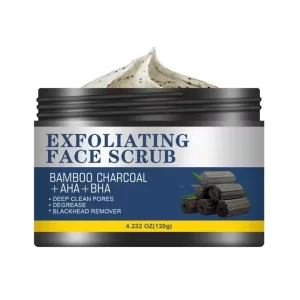
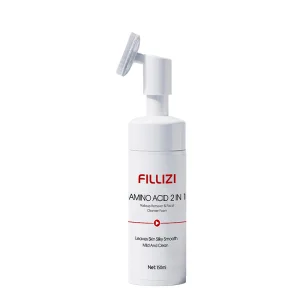
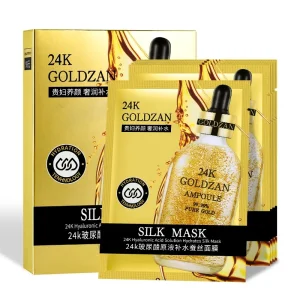
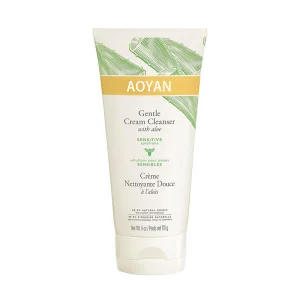
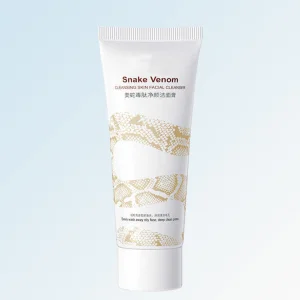
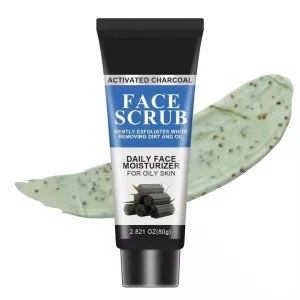
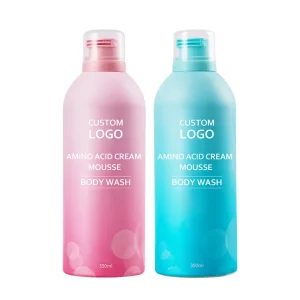
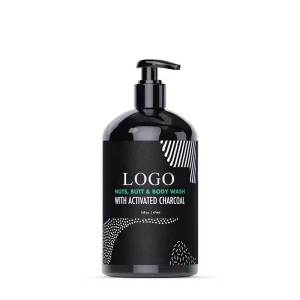
Complementary skincare, personal care, and active preparation lines manufactured under strict GMPC cleanroom protocols.



Key technical, operational, and regulatory guidance for building a successful private label color cosmetic program.
Minimum order quantities depend on packaging selection and formulation complexity. For stock cardboard palettes using pre-validated pan sizes, MOQs can start as low as 1,000 to 3,000 units per color story. Fully custom-tooled plastic palettes with specialized finishes or bespoke outer secondary packaging generally require 5,000 to 12,000 units.
We use automated hydraulic presses that apply precise multi-ton compaction pressure, combined with optimized fatty acid binders and silicones. Every production batch is validated via standardized 1.2-meter multi-angle drop tests and ISTA-3A vibration testing to ensure structural integrity across international shipping routes.
Yes. Our laboratory maintains an extensive catalog of talc-free formulas using synthetic fluorphlogopite, specialty silica microspheres, and boron nitride. We also verify that all raw materials are 100% cruelty-free, vegan-compliant, and free of carmine (CI 75470), replacing it with high-purity synthetic colorants.
We supply full GMPC and ISO 22716 certifications, batch Certificates of Analysis (COA), safety data sheets (MSDS), heavy metal ICP-MS screening reports, and USP 51/ISO 11930 microbial challenge data. For European buyers, we provide complete PIF dossiers to facilitate seamless CPNP notifications.
Clients can submit physical reference swatches, benchmark cosmetic items, or Pantone numbers. Our color technicians use spectrophotometers to achieve precise matches with a Delta-E variance below 0.5 under standardized D65 daylight, ensuring consistent shade fidelity from prototype to final scale run.
Formula and color prototype samples are typically delivered in 7 to 10 working days. Following prototype sign-off and packaging artwork approval, commercial production typically takes 25 to 35 business days. Sea freight to North American or European ports usually requires an additional 18 to 28 days depending on the carrier routing.