Why Is Beauty Care Important for Global Buyers?

Time:2026-10-21 Author:Sienna
0%

Beauty Care has become an important purchasing category for buyers worldwide. It affects daily hygiene, confidence, comfort, and personal identity. Yet global buyers expect more than attractive packaging or persuasive advertising. They want products supported by clear ingredients, responsible testing, consistent quality, and reliable supply.

Dermatologist and skincare expert Dr. Howard Murad stated, “Healthy skin is a reflection of overall wellness.” This idea helps explain why Beauty Care now reaches beyond appearance. A buyer in a dry climate may need rich moisturization, while someone in a humid region may prefer lightweight formulas. Different skin tones, ages, routines, and cultural preferences also shape purchasing decisions. One solution cannot serve everyone.

Trust matters greatly. Buyers examine ingredient transparency, manufacturing standards, product stability, and honest performance claims. They may also consider recyclable packaging and responsible sourcing. These details are visible in practical moments: a cream that absorbs before a morning commute, or a cleanser that does not leave tight skin after washing.

The industry is not flawless. Some products still rely on exaggerated promises, attractive images, or confusing scientific language. Buyers can make mistakes too, especially when trends replace evidence. Careful evaluation remains necessary. Independent testing, professional guidance, and transparent brand communication help reduce uncertainty.

For global buyers, Beauty Care is therefore both a personal choice and a quality decision. The strongest brands respect consumer differences, explain their products clearly, and keep improving. That standard is demanding. It should be.
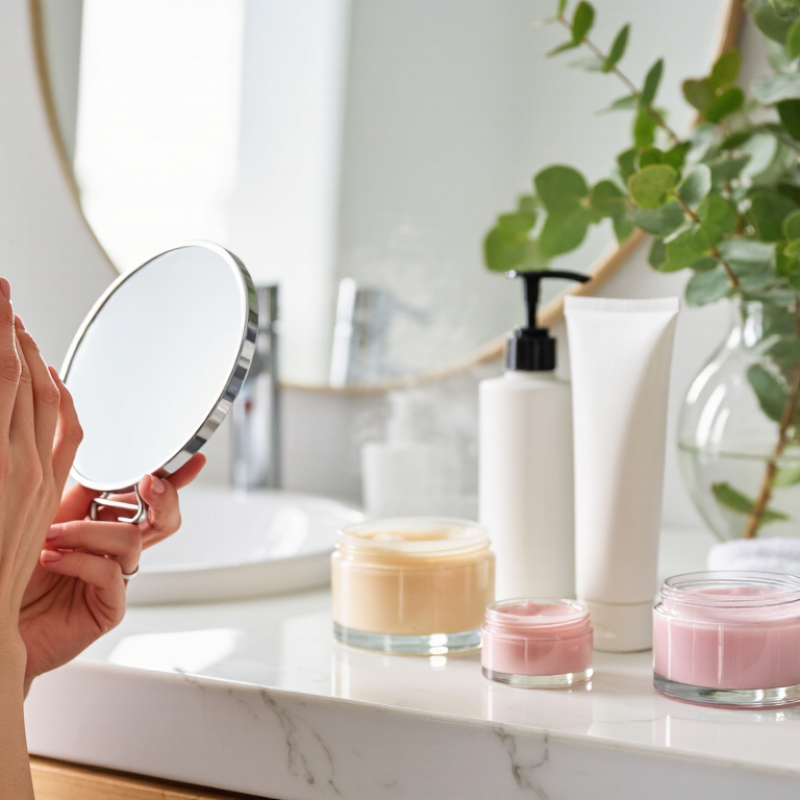
Why Is Beauty Care Important for Global Buyers?

What Beauty Care Means in Global Consumer Markets

Why Is Beauty Care Important for Global Buyers?

What Beauty Care Means in Global Consumer Markets

Beauty care is more than appearance. It reflects health routines, cultural habits, climate, and personal confidence. Global buyers often seek products that fit real daily conditions, not just attractive advertising. In humid coastal cities, lightweight textures may feel more comfortable. In dry inland regions, richer moisture support can matter more. Skin tone, hair texture, age, and water quality also influence consumer choices.

Small details matter. It is personal.

Reliable beauty information should explain ingredients, usage, storage, and reasonable expectations. Clear labeling helps buyers compare products across languages and markets. Safety guidance should be easy to find, especially for sensitive skin or first-time users. Sellers should also respect local regulations and avoid exaggerated promises. Professional advice can help consumers understand whether a concern needs routine care or medical attention. Results vary.

Global consumer markets are not uniform. A fragrance preference in one region may feel unsuitable elsewhere. Packaging should remain practical in hot shipping conditions, crowded bathrooms, or small homes. Accessible prices matter, but low cost should not excuse unclear instructions or weak quality control. Customer reviews can reveal texture, scent, and usability, although they are not scientific evidence.

There is no perfect beauty routine. Some products may feel effective but offer little measurable change. I have found that buyers sometimes choose familiar claims over better explanations. That is worth questioning. Trust grows when sellers admit limitations, present balanced information, and help consumers make informed choices rather than promising transformation.

Why Is Beauty Care Important for Global Buyers?

What Beauty Care Means in Global Consumer Markets

Beauty care is increasingly connected with everyday wellbeing, social participation, self-expression and digital access. In 2023, more than half of the world’s population lived in urban areas, while approximately two-thirds used the internet. These conditions support wider product discovery, education and access to personal-care routines across global consumer markets.

The chart shows selected global consumer-market indicators related to beauty-care access and relevance, rather than sales data. Sources: World Bank Open Data and International Telecommunication Union, 2023.

Why Beauty Care Matters for Health, Confidence, and Daily Life

Why Is Beauty Care Important for Global Buyers?

Beauty care matters because skin protects the body every day. It faces sunlight, dry air, pollution, sweat, and frequent washing. A simple routine can support comfort when it matches a person’s skin type and climate. Cleanse gently, moisturize when needed, and use sun protection outdoors. Small habits matter.

Health should guide every purchase. Global buyers need clear ingredient lists, usage directions, batch details, and dependable storage information. A product that works well in one climate may feel heavy or irritating elsewhere. Dermatology professionals often recommend patch testing new products before regular use. Apply a small amount first. Stop if burning, swelling, or persistent redness appears. This is not dramatic advice; it is basic caution. Some irritation can come from overuse, not the product alone.

Confidence also grows from feeling comfortable in daily life. Healthy-looking skin may make a person more willing to attend meetings, travel, or meet friends. Beauty care can support cultural preferences without forcing one definition of attractiveness. I have learned that complicated routines are difficult to maintain. More products do not always mean better care. Buyers should consider their schedule, budget, sensitivities, and local weather. Reliable sellers, professional guidance, and honest claims help people choose with fewer surprises. Mistakes still happen, especially when labels are unclear or expectations are unrealistic.

Why Is Beauty Care Important for Global Buyers? - Why Beauty Care Matters for Health, Confidence, and Daily Life

Beauty Care Dimension Verified Global Data Why It Matters to Buyers Practical Care Priority Reference
Oral and Dental Care Nearly 3.5 billion people are affected by oral diseases worldwide. Oral care is linked to comfort, nutrition, communication, appearance, and everyday confidence. Daily brushing with fluoride toothpaste, interdental cleaning, and regular dental checkups. World Health Organization, Global Oral Health Status Report, 2022
Sun Protection Ultraviolet radiation is a known cause of skin cancer and contributes to premature skin aging. Sun-protection products support long-term skin health while helping reduce visible sun-related changes. Use broad-spectrum, water-resistant sunscreen with SPF 30 or higher and reapply as directed. World Health Organization; American Academy of Dermatology
Hand and Personal Hygiene Handwashing can reduce diarrheal illness by approximately 30% and respiratory infections by up to 20%. Hygiene products help reduce the spread of germs in homes, workplaces, schools, and travel settings. Wash hands with soap and clean running water; use alcohol-based sanitizer when soap and water are unavailable. U.S. Centers for Disease Control and Prevention
Skin Health Skin diseases are among the most common health conditions worldwide and include infections, eczema, acne, and dermatitis. Healthy skin supports the protective barrier against irritants, allergens, and environmental stressors. Choose gentle cleansers, moisturize regularly, and avoid products that cause persistent irritation. Global Burden of Disease Study; World Health Organization
Hair and Scalp Care Dandruff and other common scalp conditions are widespread and may cause itching, flaking, or visible discomfort. Clean and comfortable hair and scalp can support personal presentation and social confidence. Select products according to scalp needs and discontinue use if irritation or allergic reactions occur. American Academy of Dermatology
Emotional Well-Being The World Health Organization recognizes mental health as an important part of overall health and well-being. Personal grooming routines may provide structure, self-expression, and a stronger sense of readiness for daily activities. Promote realistic beauty expectations and treat self-care as supportive, not a replacement for professional care. World Health Organization, Mental Health Overview
Product Safety Cosmetic products can cause irritation or allergic contact dermatitis, particularly when ingredients do not suit the user. Clear ingredient information and responsible testing help buyers make safer choices across different skin types. Check labels, follow directions, perform a small patch test when appropriate, and stop using products that cause reactions. U.S. Food and Drug Administration; European Commission Consumer Safety Guidance
Inclusive Daily Use People have diverse skin tones, hair textures, ages, climates, cultural practices, and accessibility needs. Inclusive product choices improve usability and help more consumers find suitable personal-care solutions. Prioritize a broad shade range, clear instructions, accessible packaging, and formulas suitable for different climates and skin types. World Health Organization; international dermatology and accessibility guidance

Note: The figures and recommendations summarize publicly available guidance from international health authorities and are intended for general consumer education.

How Cultural Values Shape Beauty Care Preferences Worldwide

Beauty care matters to global buyers because cultural values influence what feels safe, attractive, and worth paying for. McKinsey & Company’s 2023 report, The Beauty Market in 2023, projects the global beauty market may reach about $580 billion by 2027. Growth alone does not explain purchasing decisions. Skin tone, climate, religious practices, family traditions, and ideas of modesty can shape daily routines.

Preferences are not universal. In Japan, buyers may value simple steps and gentle textures. In India, plant-based traditions and holistic care can influence product expectations. In South Korea, consumers often examine ingredients, testing details, and visible skin benefits.

These examples are useful, but they can also oversimplify millions of people. A better approach combines cultural research with local interviews and sales data. Euromonitor International’s Beauty and Personal Care research highlights the growing importance of personalization, wellness, and ethical expectations across markets. However, “natural” does not mean the same thing everywhere. Local definitions, evidence standards, and regulations still matter.

Tips: Global sellers should test language with native professionals. Show texture, usage, and shade performance clearly. Avoid translating cultural symbols without context. Check regional labeling rules before launch. Measure repeat purchases, not only clicks. I once assumed that lighter packaging would suggest purity worldwide. That assumption failed in a warmer market, where buyers preferred stronger visual cues and larger usage instructions. Small details can reveal big cultural differences.

What Global Buyers Consider When Choosing Beauty Care Products

Global buyers judge beauty care products through safety, proof, and daily usefulness. McKinsey’s 2023 beauty market report projects the global sector could reach about $580 billion by 2027. This growth raises buyer expectations. They want clear ingredient lists, tested claims, and visible quality controls. Terms such as fragrance-free or sensitive-skin friendly need evidence. Marketing language alone is not enough.

Performance remains central. Buyers compare hydration, texture, absorption, shelf life, and results across climates. A lightweight lotion may suit humid markets but feel inadequate in dry regions. Skin tone representation also matters in product testing and visual communication. Euromonitor’s Voice of the Consumer: Health and Wellness 2024 report shows that consumers increasingly connect personal care with broader wellness. Therefore, buyers often inspect both cosmetic benefits and skin comfort. Small details matter.

SUSTAINABILITY influences purchasing, but it does not replace performance. NielsenIQ’s 2023 sustainability research reported that 78% of global respondents considered environmental sustainability important. Buyers may examine refill systems, recyclable materials, responsible sourcing, and transport efficiency. However, packaging claims can be difficult to verify across countries. Certifications, factory audits, batch tracking, and transparent documentation build stronger trust. Price still matters.

No checklist is perfect. A product can meet safety standards and still feel culturally unsuitable. Experienced buyers test samples, review independent data, and question exaggerated claims before placing larger orders.

How Safety, Quality, and Sustainability Influence International Demand

Why Is Beauty Care Important for Global Buyers?

For global buyers, beauty care is more than appearance. It involves safety, consistent quality, and responsible production. A product may look attractive, yet fail if its formula irritates sensitive skin.

During supplier evaluations, buyers often review ingredient lists, batch records, stability tests, and packaging controls. Clear documentation builds trust. It also helps importers check whether products meet local safety requirements. Small details matter. A missing translation or unclear usage instruction can delay customs clearance and confuse consumers.

Quality must remain steady across different shipments. Buyers may compare texture, scent, color, and filling accuracy between samples and bulk orders. Reliable manufacturers use controlled processes and record deviations. Still, no quality system is perfect. Human mistakes happen, so corrective action should be visible and timely.

Sustainability increasingly shapes international demand. Buyers examine recyclable packaging, material weight, energy use, and responsible sourcing. A lighter bottle can reduce transport emissions, but it may feel less durable. That trade-off deserves honest testing, not attractive claims. Suppliers should provide evidence for environmental statements and avoid vague promises. In practice, buyers may accept gradual improvement over polished but unsupported sustainability language. Cost, safety, and environmental goals can conflict. Responsible decisions require patience and careful comparison.

FAQS

Why does beauty care matter for everyday health?

Skin faces sunlight, dry air, pollution, sweat, and frequent washing. Gentle cleansing and suitable moisture can improve daily comfort. Small habits matter.

How should global buyers choose products for different climates?

Consider humidity, dryness, temperature, and personal skin sensitivity. A light lotion may suit humid weather but feel insufficient in a dry region. Local testing helps.

What information should buyers check before purchasing?

Review the ingredient list, usage directions, batch details, shelf life, and storage guidance. Clear information reduces unpleasant surprises. Labels are not always perfect.

Should buyers test a new product before regular use?

Yes. Apply a small amount to one area first. Stop if burning, swelling, or lasting redness appears. A patch test is simple caution.

Do more beauty products create better results?

Not necessarily. A short routine is easier to maintain during work, travel, or busy mornings. More products can increase cost and irritation risk.

How can buyers judge product performance?

Compare texture, absorption, hydration, shelf life, and comfort. Notice whether the product feels sticky after ten minutes. Results may differ across skin tones and climates.

What sustainability details deserve attention?

Look for refill options, recyclable materials, responsible sourcing, and efficient transport. Certifications and factory audits offer stronger evidence than vague environmental wording. Packaging claims can still be difficult to verify.

How can buyers avoid exaggerated beauty claims?

Check independent information, tested claims, sample performance, and professional guidance. Be cautious when one product promises dramatic results for everyone. Expectations can be unrealistic.

Conclusion

Beauty Care is an important part of global consumer markets because it supports personal hygiene, healthy-looking skin and hair, self-confidence, and everyday well-being. Its meaning varies across regions, reflecting different cultural values, lifestyles, climates, traditions, and ideas of appearance. While some consumers prioritize simple routines and natural looks, others may prefer specialized products for skincare, haircare, grooming, or personal presentation.

For global buyers, choosing Beauty Care products involves more than appearance. They often consider product safety, ingredient transparency, reliable performance, ease of use, packaging, price, and suitability for different skin or hair needs. Quality and sustainability also strongly influence international demand, as consumers increasingly value responsible sourcing, environmentally considerate packaging, ethical production, and long-term product safety. Understanding these expectations helps buyers select products that are practical, trustworthy, culturally relevant, and suitable for diverse markets.


Sienna

Sienna

Sienna is a skilled marketing professional with a deep expertise in our company’s core products and services. With a passion for innovation and detail, she plays a pivotal role in crafting insightful blog posts that not only highlight the unique features of our offerings but also provide valuable......