Choosing reliable makeup suppliers can shape a global buyer’s reputation, margins, and customer trust. International Makeup sourcing is not simply about finding colorful products at attractive prices. It requires careful checks on formulation quality, manufacturing controls, documentation, packaging, and delivery performance.
Experienced buyers examine supplier facilities, product samples, ingredient lists, and batch records before placing large orders. Certifications can help, but they should not replace practical verification. Ask for current safety documents, certificates of analysis, stability information, and clear manufacturing details. A professional supplier should explain minimum order quantities, lead times, customization options, and quality-control procedures without vague promises.
Small details matter.
A lipstick that arrives with uneven filling or a loose cap can create costly returns. A foundation range may look impressive, yet fail if its shades do not match regional preferences. Reliable partners also understand labeling expectations, responsible claims, ethical sourcing, and import requirements in the buyer’s target markets. These areas differ widely, so independent regulatory review remains wise.
No supplier is flawless. That deserves honest consideration. Communication may slow during peak seasons, and even strong factories can experience packaging delays. The more dependable companies respond with evidence, corrective actions, and realistic timelines. This guide reviews top international makeup suppliers through those practical standards, helping global buyers compare experience, technical capability, product consistency, and long-term reliability. The goal is not to promote the loudest supplier, but to identify partners that can support safe, compliant, and commercially sensible growth.
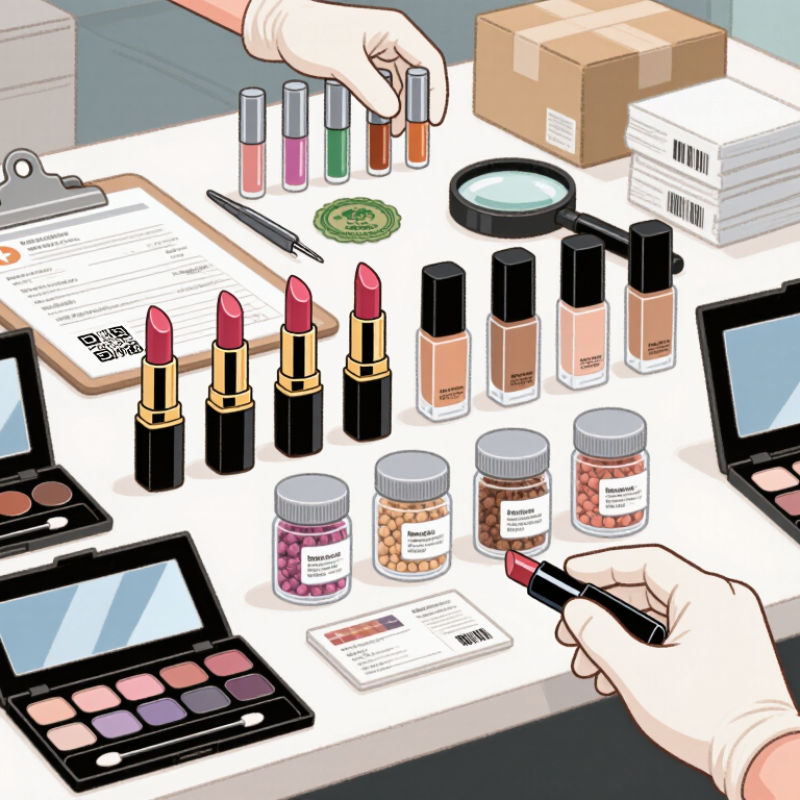
International makeup suppliers are companies that develop, manufacture, source, or distribute cosmetic products across national borders. Their work connects laboratories, packaging producers, wholesalers, and professional buyers. A reliable supplier should provide ingredient lists, shade references, batch records, safety documents, and clear production timelines. These details help buyers assess quality before placing large orders.
Their global role goes beyond shipping boxes. Suppliers adjust textures, pigments, packaging, and instructions for different climates and consumer preferences. A cream foundation may need stronger heat stability during tropical transport. A powder product may require tighter sealing in dry conditions. Experienced suppliers also understand regional cosmetic requirements and help buyers prepare accurate labels and supporting documents. However, compliance support is not a substitute for independent legal review.
In practice, international purchasing depends on steady communication. Buyers often request samples, inspect color consistency, and compare several production batches. Small differences can appear between samples and full-scale orders. No supplier is flawless. A polished catalogue can hide weak quality control or delayed responses. For this reason, global buyers should evaluate factory capacity, testing procedures, minimum order quantities, and complaint handling. Trust develops through evidence, not promises. Mistakes still happen. The strongest partnerships acknowledge them quickly and improve the process.
Top International Makeup Suppliers for Global Buyers
Key Product Categories Offered by Makeup Suppliers
International makeup suppliers usually organize their ranges around complexion, eye, lip, and beauty tools. Complexion products may include liquid foundation, cream concealer, pressed powder, and tinted moisturizer. Reliable suppliers should provide shade samples, undertone details, and clear coverage descriptions. A printed color chart is useful, but it can mislead under different lighting.
Eye makeup often covers mascara, eyeliner, brow products, and eyeshadow palettes. Buyers should inspect brush shapes, cap closure, pigment consistency, and smudge resistance. Small details matter. A loose mascara seal can create costly complaints during shipping.
Lip categories include liquid color, traditional lipstick, gloss, balm, and lip liner. Professional suppliers normally share texture information, fill weights, packaging options, and batch documentation. Buyers should also review ingredient lists and stability data before placing large orders. Fragrance-free options may suit wider markets, but customer preferences still vary sharply.
Many suppliers also offer brushes, sponges, compact cases, and customized packaging. These supporting products affect the user experience and return rates. During sourcing, I have found that attractive packaging cannot compensate for poor applicator performance. That lesson is easy to overlook. Buyers should request production samples, check batch traceability, and compare samples with final goods. Quality reviews should include appearance, smell, application, and packaging durability. No category is perfect, and early testing may reveal weaknesses that a polished catalog hides.
The chart presents rounded global color-cosmetics market category estimates for 2023. Face, eye, lip, and nail products represent the principal product groups commonly supplied to international buyers. The figures are category-level market estimates and do not represent any company or brand.
For global buyers, supplier quality begins with evidence, not polished product photos. Experienced procurement teams review manufacturing records, batch controls, and documented corrective actions. A reliable supplier should explain how raw materials are approved, stored, and traced. Production areas should follow recognized cosmetic good manufacturing practices, with trained staff and controlled cleaning procedures. Ask for recent audit reports. Old certificates can hide present risks.
Safety testing must match the product and its intended use. Useful records may include microbiological results, stability data, preservative checks, and packaging compatibility tests. Color cosmetics also require controlled pigment specifications and clear ingredient declarations. Safety data sheets support workplace handling, even when the finished product has a different classification. Claims need evidence. “Long-wearing” should reflect test conditions, not attractive wording. Regulatory requirements differ by market, so suppliers should provide region-specific documentation and responsive technical support.
Compliance continues after shipment. Buyers should check lot numbers, retain samples, complaint procedures, and recall readiness. Transparent suppliers can show who manufactured each batch and when. They should also disclose material changes before production. In practice, documentation is sometimes incomplete, even among experienced factories. That is a warning, not an automatic rejection. A clear remediation plan matters. I would record every open question, verify the response independently, and avoid approving production until the evidence matches the actual process.
International makeup suppliers are judged by more than product catalogs. Supply reliability, minimum order quantities, pricing logic, and delivery control matter equally. NIQ’s 2024 State of Beauty report recorded 7.3% global beauty sales growth in 2023, increasing pressure on suppliers to replenish quickly. Buyers should request batch lead times, factory capacity, and documented quality procedures before negotiating volume.
Pricing needs a landed-cost view. Include product cost, packaging, testing, freight, duties, insurance, and warehouse handling. A low quotation can hide expensive delays. Cash flow matters. McKinsey estimates the global beauty market could reach about $590 billion by 2028, but growth does not guarantee stable margins. Currency movement and smaller production runs can quickly change the final unit cost. Buyers should compare three scenarios: trial quantities, standard orders, and seasonal volume.
Distribution planning should match the destination market. Suppliers with regional warehouses may reduce transit time, while direct shipping can offer lower storage costs. The trade-off is not always obvious. DHL’s 2024 logistics research highlights continuing customer expectations for faster, more transparent delivery. Ask for shipment tracking, carton dimensions, pallet standards, and backup routes. A supplier may promise seven-day dispatch, yet packaging approval can add two weeks. This detail is easy to miss. It deserves written confirmation. Supplier scorecards should track defect rates, on-time delivery, response speed, and invoice accuracy each quarter. Even experienced buyers sometimes overvalue price and undermeasure disruption.
Global buyers now evaluate makeup suppliers beyond price and product appearance. McKinsey’s 2023 beauty analysis projects the global beauty market could reach about $580 billion by 2027. This growth increases pressure on suppliers to prove consistency, capacity, and compliance. A reliable supplier should provide complete ingredient lists, batch records, stability data, and clear manufacturing procedures. Ask for recent audit evidence, not polished promises.
Documentation matters.
Experienced buyers also test operational reality. They compare samples from different production batches, inspect filling accuracy, and review packaging performance after transport. A supplier may offer an attractive sample, yet struggle with shade consistency at scale. This is where practical judgment becomes essential. Small defects, such as uneven pigment or loose caps, can become expensive returns.
Circana reported that U.S. prestige beauty sales grew 14% in 2023, showing strong demand for higher-value products. However, demand alone does not justify rushed purchasing. Buyers should assess minimum order quantities, lead times, backup material sources, and communication speed. Video calls help, but an independent factory audit offers stronger evidence. Some suppliers provide impressive certificates that are outdated or unrelated to the actual facility. That detail is easy to miss. A balanced scorecard can compare quality, compliance, responsiveness, pricing, and risk instead of rewarding the cheapest quotation.
They develop, manufacture, source, or distribute cosmetics across national borders. Their network may include laboratories, packaging producers, wholesalers, and professional buyers.
Request ingredient lists, shade references, batch records, safety documents, and production timelines. Also ask for recent audit reports, not only old certificates.
They may adjust textures, pigments, packaging, and instructions. Cream foundation needs stronger heat stability during tropical transport. Powder products need tighter sealing in dry conditions.
Common categories include foundation, concealer, powder, mascara, eyeliner, brow products, lip color, gloss, brushes, and sponges.
Samples reveal color, smell, application, and packaging weaknesses. Printed shade charts can mislead under different lighting. Samples are helpful, but not perfect.
Check undertones, coverage, pigment consistency, brush shapes, cap closure, and smudge resistance. Test a mascara seal before shipping large quantities.
Useful records include microbiological results, stability data, preservative checks, and packaging compatibility tests. Ingredient declarations should match the actual formula.
No. Regional requirements differ, and supplier guidance can be incomplete. Buyers should obtain independent legal review before approval.
Record every open question and request a clear remediation plan. Do not approve production until evidence matches the process. Sometimes I would still hesitate.
Compare production batches, verify lot numbers, retain samples, and review complaint procedures. Trust grows through evidence, not promises. Mistakes still happen.
International Makeup suppliers play a vital role in connecting global buyers with reliable sources of cosmetics, including complexion products, eye makeup, lip products, tools, and professional-use items. Their role extends beyond product availability, covering manufacturing coordination, customization, packaging support, documentation, and international distribution. A dependable supplier should demonstrate consistent product quality, safe ingredient management, clear labeling, responsible production practices, and compliance with the regulations of each target market.
Global buyers should also assess minimum order quantities, pricing structure, production capacity, lead times, shipping options, and after-sales communication. Transparent supply chain information can help reduce delays and improve inventory planning, while flexible distribution services may support both emerging businesses and established retailers. When selecting an International Makeup supplier, buyers should compare product performance, safety records, certifications, communication efficiency, sampling procedures, and long-term reliability. A careful evaluation process helps buyers build stable partnerships and deliver safe, consistent, and appealing cosmetic products to customers in different regions.