China Best Personal Care Products for Global Buyers

Time:2026-10-21 Author:Sophia
0%

China has become a major sourcing destination for reliable Personal Care products. Its factories now support skincare, haircare, body care, oral care, and daily hygiene categories. Global buyers can find flexible production, competitive pricing, and fast product development in one market.

The strongest suppliers do more than offer attractive packaging. They document ingredient origins, production controls, stability testing, and batch traceability. They also understand that requirements differ across countries. Labels, claims, allergens, packaging materials, and product testing need careful review before shipment. A bright serum bottle may look impressive, but performance and compliance matter more.

Beauty expert Paula Begoun often reminds consumers, “There are no miracles in skincare.” Her words remain useful for international buyers. Product value should come from tested formulas, consistent manufacturing, and realistic claims. This guide examines China’s leading Personal Care opportunities through that practical lens. It considers supplier experience, formulation capability, quality systems, customization, and communication.

Some factories appear highly professional during a video meeting. Reality can be less polished. Samples may differ from mass production, or response times may slow after an order. Buyers should ask difficult questions and verify evidence. Independent audits, laboratory reports, factory visits, and pilot orders can reduce avoidable risk.

Sustainability also deserves honest attention. Recyclable packaging sounds positive, yet local recycling systems may not accept every material. A lower price is not always a better deal. The right partner balances safety, consistency, cost, delivery, and long-term trust. This overview offers a grounded starting point for global buyers exploring China’s Personal Care manufacturing landscape.
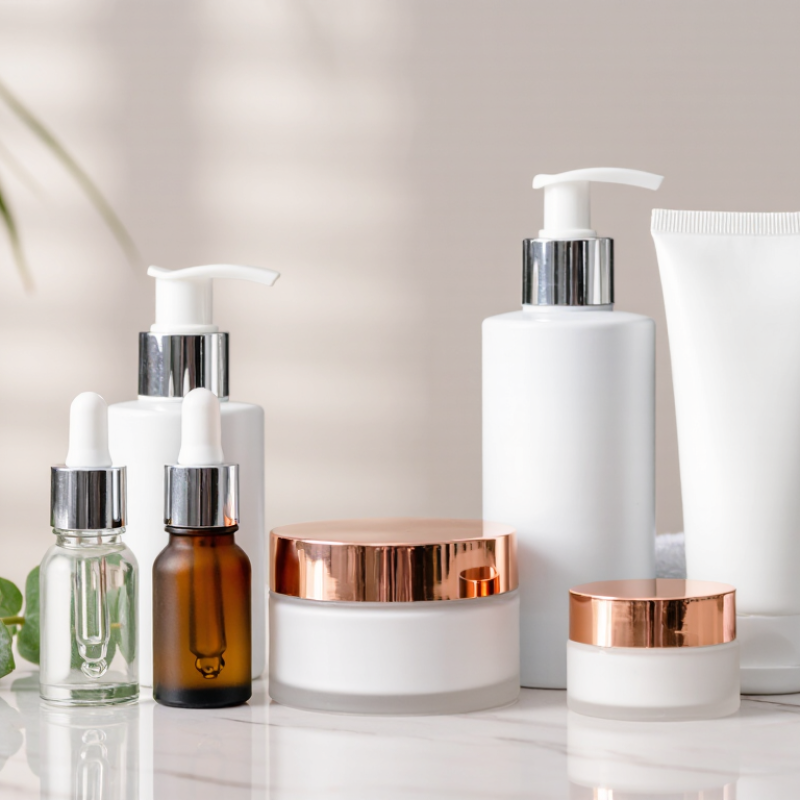
China Best Personal Care Products for Global Buyers

Market Scope: NBS Recorded RMB414.2B in China Cosmetics Retail Sales in 2023

China Best Personal Care Products for Global Buyers

China’s cosmetics retail sales reached RMB414.2 billion in 2023, according to the National Bureau of Statistics. This figure gives global buyers a clear market reference. It reflects domestic retail activity, not total personal care production or export value. That distinction matters when evaluating suppliers, product categories, and expected demand.

In practical sourcing work, buyers should examine formula stability, packaging quality, production records, and testing documents. A facial cleanser may look attractive online, yet its pump can leak during a long sea shipment. Small details matter. Request samples from different batches, then compare color, scent, texture, and fill volume. Suppliers should also provide ingredient information and documents suitable for the destination market’s regulations.

The RMB414.2 billion figure signals strong consumer activity, but it cannot guarantee overseas sales. Preferences differ across climates, income levels, skin types, and legal requirements. A product popular in China may need a milder fragrance or different labeling elsewhere. This is where careful buyer experience becomes valuable. I would not treat market size as proof of product quality. It is a useful starting point, but supplier audits and independent verification remain necessary. One limitation is easy to overlook: retail sales data may not explain why consumers purchased a product or whether they bought it repeatedly.

Category Map: Skincare, Haircare, Oral Care, and Body Care for Global Buyers

China Best Personal Care Products for Global Buyers

Category Map: Skincare, Haircare, Oral Care, and Body Care for Global Buyers

China’s personal care supply landscape is broad, but a clear category map makes sourcing more practical. McKinsey & Company’s 2023 beauty report projects the global beauty market could approach 580 billion dollars by 2027. That growth raises expectations for safety evidence, consistency, and flexible production. Skincare suppliers commonly offer cleansers, moisturizers, masks, serums, and compliant sun-care products. Buyers should review ingredient files, stability tests, packaging compatibility, and batch traceability. A sample is not proof.

Haircare includes shampoos, conditioners, scalp treatments, styling products, and professional-use formats. Hair texture, water quality, climate, and washing habits can change performance. Oral care requires closer technical review, including fluoride levels, brush materials, abrasion testing, and packaging hygiene. According to Grand View Research’s oral care market report, the global oral care market was valued at more than 40 billion dollars in 2023. Claims need evidence.

Body care covers cleansers, lotions, deodorants, hand care, and bath products. China’s National Bureau of Statistics reported 414.2 billion yuan in cosmetics retail sales during 2023, showing strong domestic demand and manufacturing depth. Still, domestic popularity does not guarantee export readiness. Requirements differ across markets, especially for labeling, allergens, preservatives, and product claims. The map is useful, not complete. I would compare factory audits, technical files, pilot batches, and complaint procedures before placing larger orders.

Compliance Screen: NMPA Rules, ISO 22716 GMP, and EU 1223/2009

China Best Personal Care Products for Global Buyers

Compliance screening should begin before a product enters sampling or negotiation. For China-bound products, confirm NMPA requirements, ingredient restrictions, testing records, and filing or registration duties. Requirements may differ between ordinary cosmetics and products making special claims. Check every claim carefully. “Natural” does not automatically mean compliant.

ISO 22716 GMP helps buyers assess manufacturing controls, hygiene, batch records, storage, and traceability. Ask for current certificates, audit evidence, and production documentation, not only a scanned logo. For European sales, Regulation (EC) No 1223/2009 requires a responsible person, product information file, safety assessment, compliant labeling, and suitable notification. An experienced evaluator should compare the formula, label, packaging, and claims as one system. Small inconsistencies can delay market entry. I still find this step easy to underestimate.

Tips: Request ingredient names using accepted cosmetic nomenclature. Match each ingredient against the target market’s current restrictions. Review fragrance allergens and warning statements early. Keep signed specifications and test reports organized by batch. Do not rely on an old certificate. Regulations change, and supplier documents can become outdated. A qualified local regulatory professional should verify uncertain points before shipment. That extra review may feel slow, but it is cheaper than correcting labels after production.

China Best Personal Care Products for Global Buyers - Compliance Screen

NMPA Rules, ISO 22716 GMP, and EU Regulation 1223/2009

The chart compares whether each compliance checkpoint is directly applicable under the three frameworks. A value of 1 means the checkpoint is addressed or required; 0 means it is not a direct requirement of that framework.

EU Regulation 1223/2009 requires safety assessment, a Product Information File, GMP conformity, CPNP notification, an EU Responsible Person, and substantiation of cosmetic claims. China’s NMPA framework requires product safety documentation, manufacturing quality controls, applicable registration or notification, a responsible entity for imported products, and evidence supporting claims. ISO 22716 is an international GMP guideline and does not itself replace market registration, notification, or safety assessment obligations.

Supplier Audit: Verify OEM/ODM Capacity, INCI Data, COAs, and Recall Records

China Best Personal Care Products for Global Buyers

Supplier Audit: Verify OEM/ODM Capacity, INCI Data, COAs, and Recall Records

China’s personal care manufacturing base offers flexible OEM and ODM production for global buyers. McKinsey’s 2023 beauty report estimates the global beauty market could reach about 580 billion dollars by 2027. Growth attracts capable factories, but also creates verification risks. A reliable audit should inspect production rooms, batch records, stability testing, and staff training—not only a showroom.

Request the full INCI list before approving samples. Compare every ingredient with the formula, label, and specification sheet. Each raw material and finished batch should have a traceable Certificate of Analysis. Check testing methods, limits, laboratory identity, issue dates, and signatures. ISO 22716-based procedures provide useful evidence of cosmetic GMP control, although certification alone does not prove consistent performance. Review customer complaints, rejected batches, corrective actions, and recall records. A clean file is helpful. It is not conclusive.

Tips: Ask for one recent production batch, not a prepared sample. Conduct an independent test for microbiological limits, heavy metals, allergens, and claimed actives. Request video evidence only as supporting material. On-site observation remains stronger. McKinsey notes that consumers increasingly expect efficacy, safety, and transparency, yet supplier documents can still contain gaps or outdated data. That uncomfortable detail matters. Leave time for a second audit when formulas change, capacity expands, or a factory cannot explain an unusual COA result.

Trade Economics: Use UN Comtrade HS Data to Compare MOQ, Pricing, and Lead Times

China remains a practical sourcing base for global personal care buyers, especially across HS 3304 cosmetics, HS 3305 hair products, and HS 3307 toiletries. UN Comtrade records reported world exports of HS 3304 above US$50 billion in 2023, showing strong international demand. However, trade value is not a factory price. A buyer should divide declared import value by net quantity, then compare that unit value with supplier quotations, packaging costs, and compliance testing.

MOQ requires separate checking. UN Comtrade does not publish supplier minimum order quantities, so buyers must request quotations from several verified manufacturers. A useful comparison sheet should list 1,000, 5,000, and 20,000 units. Pricing often falls as volume rises, but packaging changes can reverse the saving. Small orders may use standard bottles, while larger orders require molds and printed cartons. That difference affects cash flow.

Lead times also need careful interpretation. DHL’s 2024 Global Connectedness Report highlights continuing pressure on international logistics networks, while shipping conditions vary by route and season. Ask for production time, inspection time, port handling, and ocean transit separately. Do not record “30 days” as one figure. It hides delays. HS data can reveal trade scale and destination demand, but it cannot prove supplier reliability. I still treat the result as directional, because customs declarations may include mixed product quality, freight value, and inconsistent quantity units. A real comparison needs samples, written terms, and recent shipping evidence.

FAQS

What does China’s RMB414.2 billion cosmetics retail figure represent?

It represents domestic cosmetics retail sales in 2023. It does not show total production or export value. Use it as a market signal, not a sales guarantee.

What should global buyers check before ordering personal care products?

Check formula stability, packaging quality, production records, and testing documents. Request samples from different batches. Compare color, scent, texture, and fill volume.

Why should buyers test packaging carefully?

Packaging can fail during transport, even when the formula performs well. A pump may leak during a long sea shipment. Check seals, closures, bottles, and fill levels.

What ingredient information should suppliers provide?

Ask for the complete INCI ingredient list and signed product specifications. Match the formula with the label and technical documents. Review fragrance allergens and warning statements early.

Which compliance documents should buyers review?

Review applicable cosmetic rules, safety documents, testing records, and product filing duties. Manufacturing controls should include hygiene, batch records, storage, and traceability. Do not rely on an old certificate.

How can buyers evaluate an OEM or ODM supplier?

Inspect production rooms, staff training, batch records, and stability testing. Ask for one recent production batch. A showroom is not enough.

What should a Certificate of Analysis include?

It should identify testing methods, limits, laboratories, issue dates, and signatures. Each finished batch needs traceability. A clean document is helpful, not conclusive.

Why are independent tests and audits still necessary?

Supplier documents may contain gaps or outdated information. Independent testing can examine microbes, heavy metals, allergens, and active ingredients. On-site observation remains stronger than video evidence.

Can a product popular in China succeed overseas?

Not automatically. Climate, income, skin types, fragrance preferences, and labeling rules may differ. A milder scent or revised label might be necessary.

What supplier problems should buyers investigate?

Review complaints, rejected batches, corrective actions, and recall records. Ask the supplier to explain unusual testing results. I may still miss something. A second audit can reveal it.

Conclusion

China’s Personal Care market offers broad opportunities for global buyers, supported by RMB414.2 billion in cosmetics retail sales recorded by the National Bureau of Statistics in 2023. The category landscape includes skincare, haircare, oral care, and body care, allowing importers to match products with different consumer needs and market segments. A clear understanding of product claims, formulations, packaging, and target-market requirements is essential before making purchasing decisions.

Successful sourcing also depends on strict compliance and supplier verification. Buyers should review NMPA requirements, ISO 22716 Good Manufacturing Practices, and the EU Cosmetics Regulation 1223/2009 when relevant to the destination market. Supplier audits should confirm OEM or ODM capabilities, accurate INCI ingredient data, certificates of analysis, quality-control procedures, and product recall records. UN Comtrade HS data can further support comparisons of trade flows and help buyers evaluate MOQ, pricing, shipping conditions, and lead times for informed, lower-risk procurement.


Sophia

Sophia

Sophia is a dedicated marketing professional with an exceptional depth of knowledge about her company's products and services. With a keen understanding of market trends and customer needs, she crafts insightful blog posts that not only inform but also engage readers, enriching the company’s online......